Best Photography Treks in India for Nature & Adventure Lovers
Capture the Wild: India’s Most Photogenic Treks
Written by
.png)

.jpg)
Capture the Wild: India’s Most Photogenic Treks
Written by
You're standing on a mountain ridge in Ladakh, camera in hand, watching the first rays of sunrise paint the snow peaks in shades of gold and pink. The silence is so complete you can hear your heartbeat, and every frame you capture tells a story that words simply can't express. This is what draws photographers to India's mountains, and honestly, once you experience it, no other landscape quite compares. From Ladakh's moon-like terrain to Kashmir's mirror-perfect lakes, these mountains offer some of the most dramatic photography opportunities on the planet.
Here's the thing, getting the perfect shot isn't just about being in the right place. It's about being there at exactly the right moment, with the right preparation, and frankly, with people who know these mountains like the back of their hand.
That's where we come in. At Juniper Outdoor, we've been exploring these ranges for decades. Captain M.S. Kohli, who led India's first Everest expedition back in 1965, laid the foundation for what we do today. We don't just take you to beautiful places – we make sure you're positioned perfectly for that golden hour shot, that monastery ceremony, or that moment when the clouds part to reveal the peaks.

Let's be honest, when most people think of epic mountain photography destinations, they usually picture the Alps or Patagonia. But here's what they're missing: India has some of the most diverse and dramatic landscapes you'll find anywhere.
Think about it. Where else can you photograph stark, high-altitude deserts in Ladakh one week, then capture emerald valleys bursting with wildflowers in Kashmir the next? The sheer variety here is mind-blowing. You've got the world's youngest mountain range creating dramatic backdrops, ancient monasteries perched on impossible cliff faces, and cultures that have remained unchanged for centuries.
And here's something most photographers don't realise until they get here – the light in these mountains is absolutely incredible. We're talking crystal-clear air at altitude that makes every peak look razor-sharp, golden hours that seem to last forever, and night skies so clear you can practically reach out and touch the Milky Way.
The best part? Unlike some remote international destinations where you're completely on your own, India's mountain regions have solid infrastructure. We're talking comfortable places to stay, reliable weather information, and most importantly, local guides who've been walking these trails since they were kids.
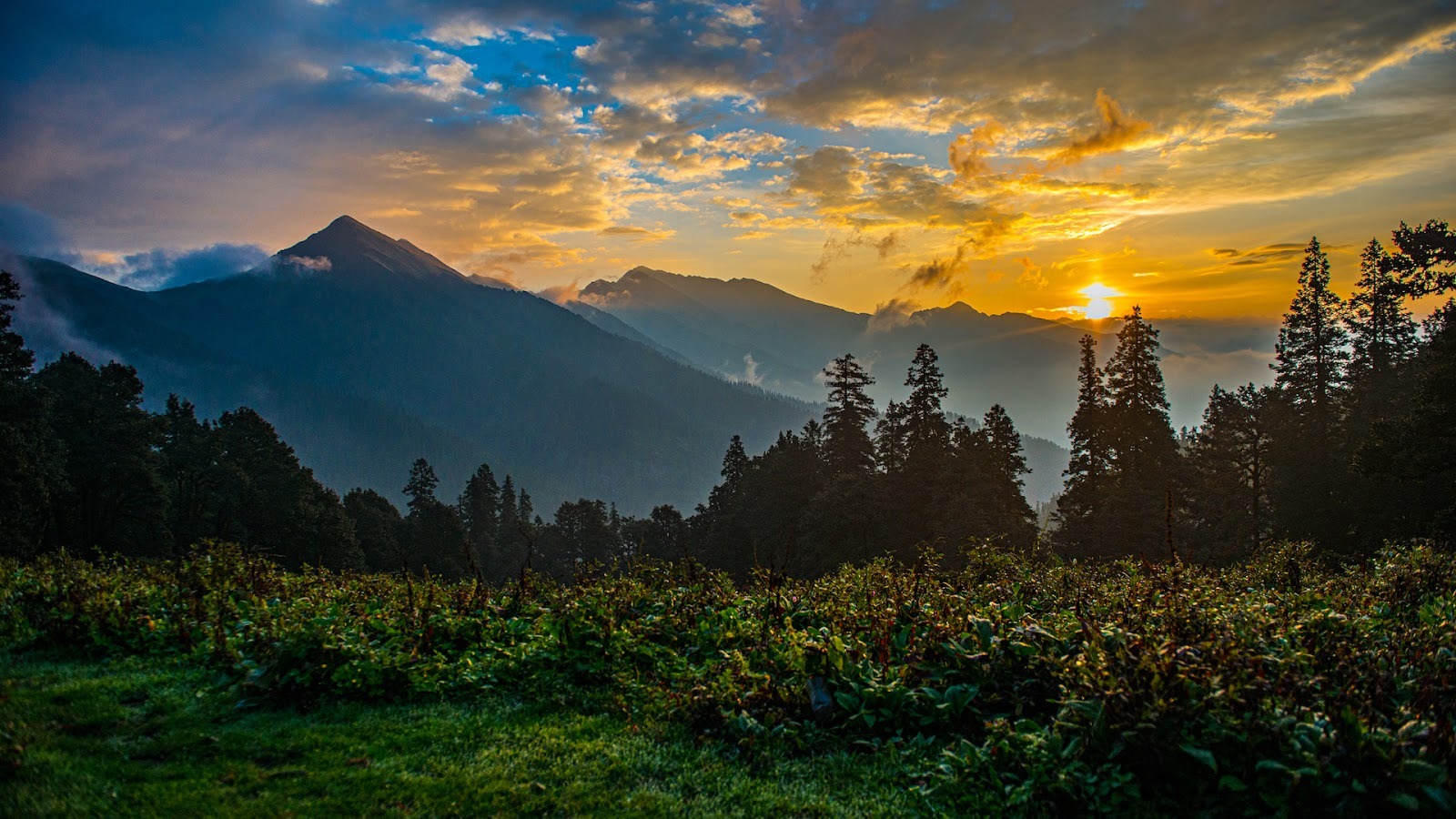
Here's the thing about photography trekking, it's completely different from regular sightseeing trips. When you're on a typical tour, you're rushing from one viewpoint to another, snapping quick photos before moving on. But photography trekking? That's a whole different game.
We slow everything down(figuratively). You get to really live in these landscapes, watching how the light changes throughout the day, learning when the mist rolls in over that lake, or when the prayer flags catch the wind just right. It's about being patient and present, something that's pretty rare in today's world.
And the altitude makes all the difference. Up here, the air is so clear it's like someone cleaned your camera lens for you. Those hazy, atmospheric shots that plague lower-elevation photography? Not a problem. Every mountain peak looks crisp and defined, and the contrast between foreground and background is just stunning.
We keep our groups small, usually 6 to 8 people max, because nothing ruins a great shot like having to jostle for position with a crowd. Our guides aren't just trek leaders; they're photography enthusiasts themselves. They know exactly where to position the camp for that perfect sunrise shot, and they'll wake you up at 4 AM if that's what it takes to catch the golden hour.
One thing we're really particular about is respecting the local communities. These aren't just photo opportunities, these are people's homes, their sacred spaces. Our guides help you understand the culture, get proper permissions for photography, and make sure your presence adds something positive to these communities.
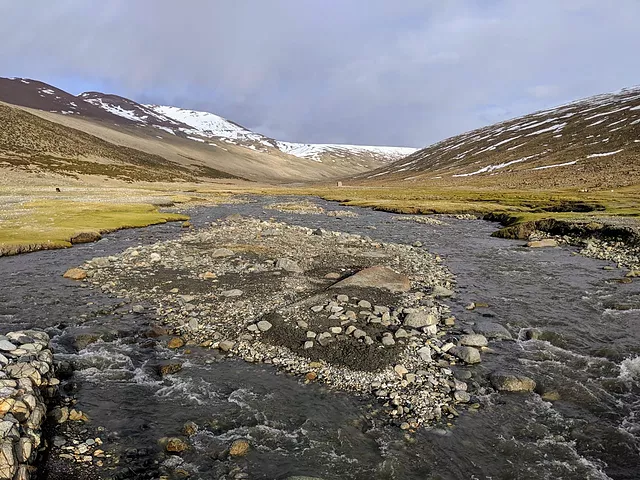
If you want to understand Ladakh's soul, the Markha Valley is where you need to be. This trek has everything: those otherworldly desert landscapes you see in magazines, narrow gorges that make you feel tiny, river crossings that get your adrenaline pumping, and then suddenly, these pockets of green villages that seem like mirages.
What really gets photographers excited here is the light. The starkness of the landscape under those brilliant blue skies creates shadows so sharp you could cut yourself on them. And when you throw in monasteries literally hanging off cliff edges and Buddhist prayer flags fluttering against snow peaks, every single frame tells a story.
We've been running our Ladakh Explorer program here for years, and we know exactly when to position you for those money shots. Morning light on the monasteries, golden hour on the peaks, and those magic moments during prayer ceremonies when the monks let us photograph respectfully. Trust me, you'll come back with shots that'll make your friends think you hired a film crew.
Location: Markha Valley, Ladakh
Altitude: 17,250 ft
Distance: 70 KM
Duration: 8-10 Days
Grade: Moderate to Difficult
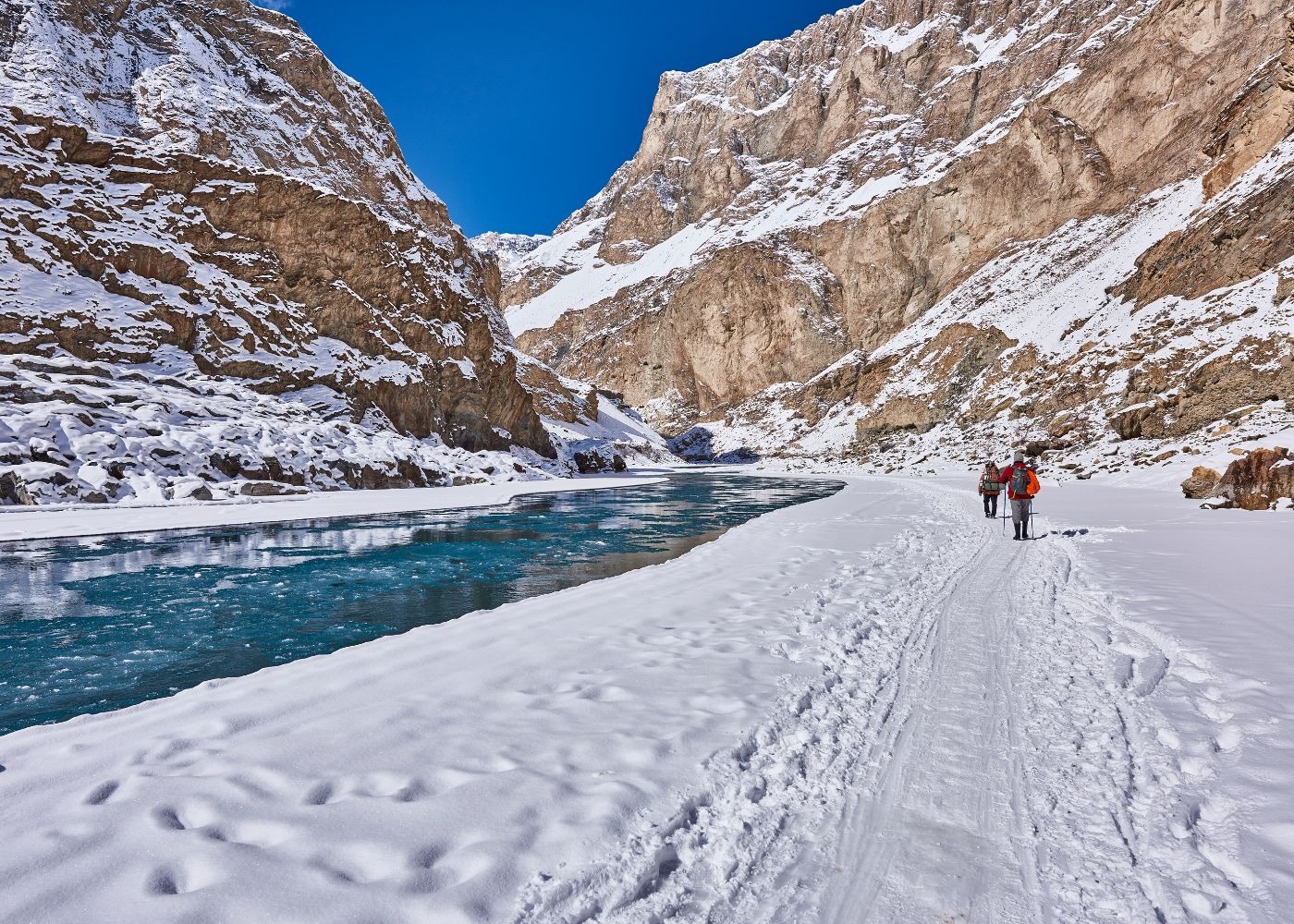
Okay, let's talk about something completely nuts, walking on a frozen river. The Chadar Trek is exactly that, and it's probably the most unique photography experience you'll ever have.
Picture this, you're walking on thick ice while 600-meter canyon walls tower over you. Frozen waterfalls hang like giant ice sculptures, and the whole world looks like it's been dipped in blue and gold. It's otherworldly in the truest sense.
Now, we won't lie to you, this is tough. We're talking sub-zero temperatures, ice that can crack under your feet, and conditions that would make most people want to stay home with hot chocolate. But the shots you get here? Impossible to capture anywhere else on the planet. Our team knows every safe route and ice formation, so while it's challenging, you're never in real danger.
Location: Zanskar Valley, Ladakh
Altitude: 11,123 ft
Distance: 62 KM (standard route)
Duration: 9 Days
Grade: Difficult

People call Kashmir "heaven on earth," and when you see these lakes, you'll understand why. We're talking about seven pristine alpine lakes, each with its own personality and colour. Vishansar reflects mountains like a perfect mirror, Krishansar has this deep blue that seems almost artificial, and Gangbal sits below Mount Harmukh like something out of a fairy tale.
The Kashmir Great Lakes Trek is what we call the photographer's dream trek. Every morning you wake up next to a different lake, and every evening you're setting up your tripod for sunset shots that'll blow your mind. Our Kashmir team has been working with local weather stations for years, so we know exactly when to expect those clear photography windows.
The wildflower meadows here deserve their own mention. In July and August, it's like someone spilled paint across the landscape - reds, yellows, purples, blues. And when the morning mist rises off the lakes, with those peaks in the background, you'll understand why photographers keep coming back here year after year.
Location: Sonamarg, Kashmir
Altitude: 13,750 ft
Distance: 72 KM
Duration: 8 Days
Grade: Moderate to Difficult
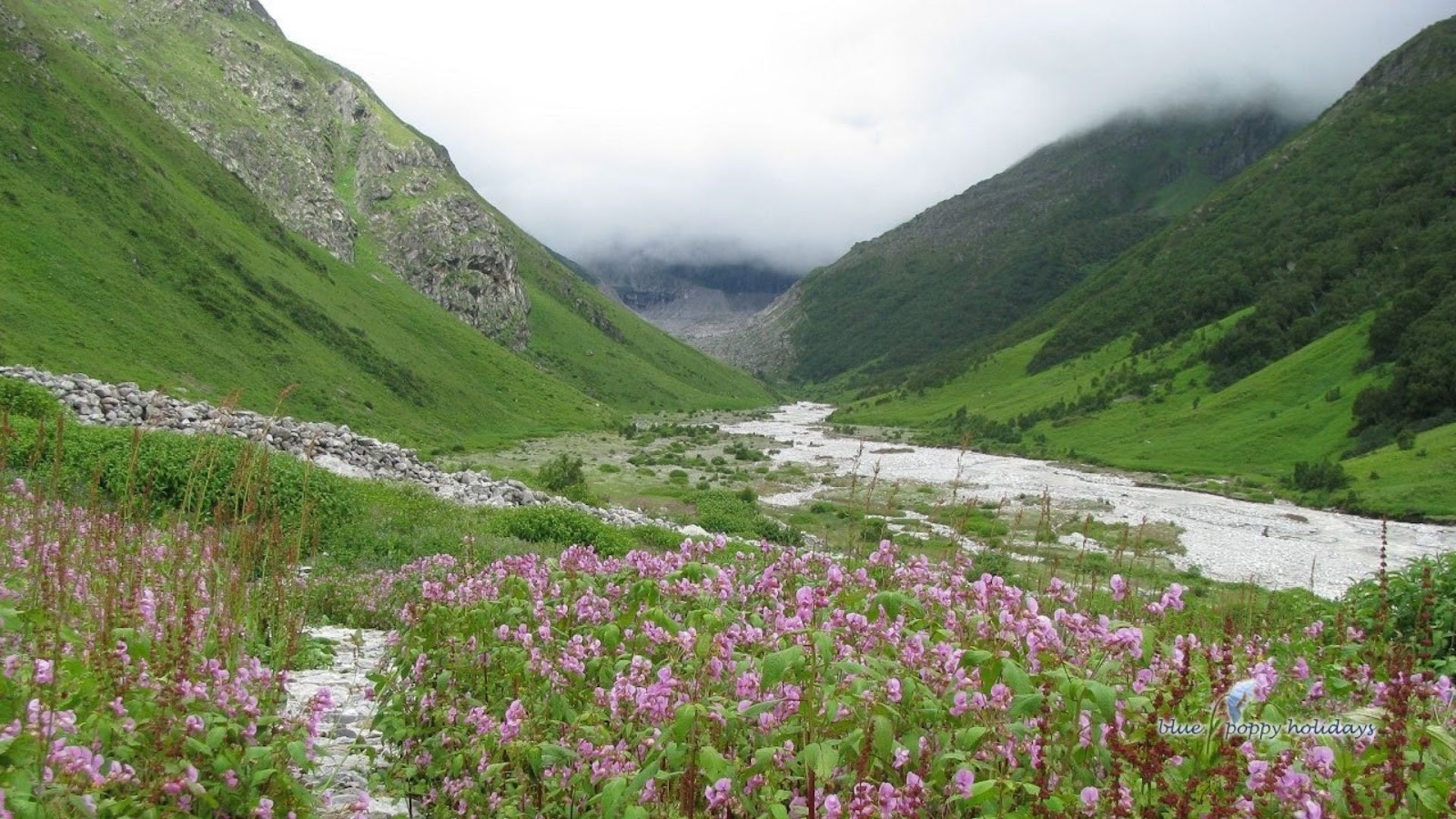
UNESCO didn't declare this place a World Heritage site for nothing. When over 600 species of wildflowers bloom during the monsoon, it's like walking through the world's most incredible natural garden. We're talking about flowers you won't see anywhere else, the rare Himalayan poppies, the legendary Brahma Kamal, and carpets of colour that stretch as far as you can see.
But here's what makes this trek special for photographers, it's not just about the flowers. You've got waterfalls cascading down cliff faces, traditional wooden bridges that look straight out of a storybook, and villages where life hasn't changed in centuries.
Our botanical photography expeditions time everything perfectly with the peak blooming season. We work with botanical experts who can point out the rare species, so you're not just taking pretty pictures, you're documenting some seriously unique flora.
Location: Govindghat, Uttarakhand
Altitude: 12,000 ft (valley), 14,107 ft (Hemkund Sahib)
Distance: 38 KM
Duration: 5-6 Days
Grade: Easy to Moderate
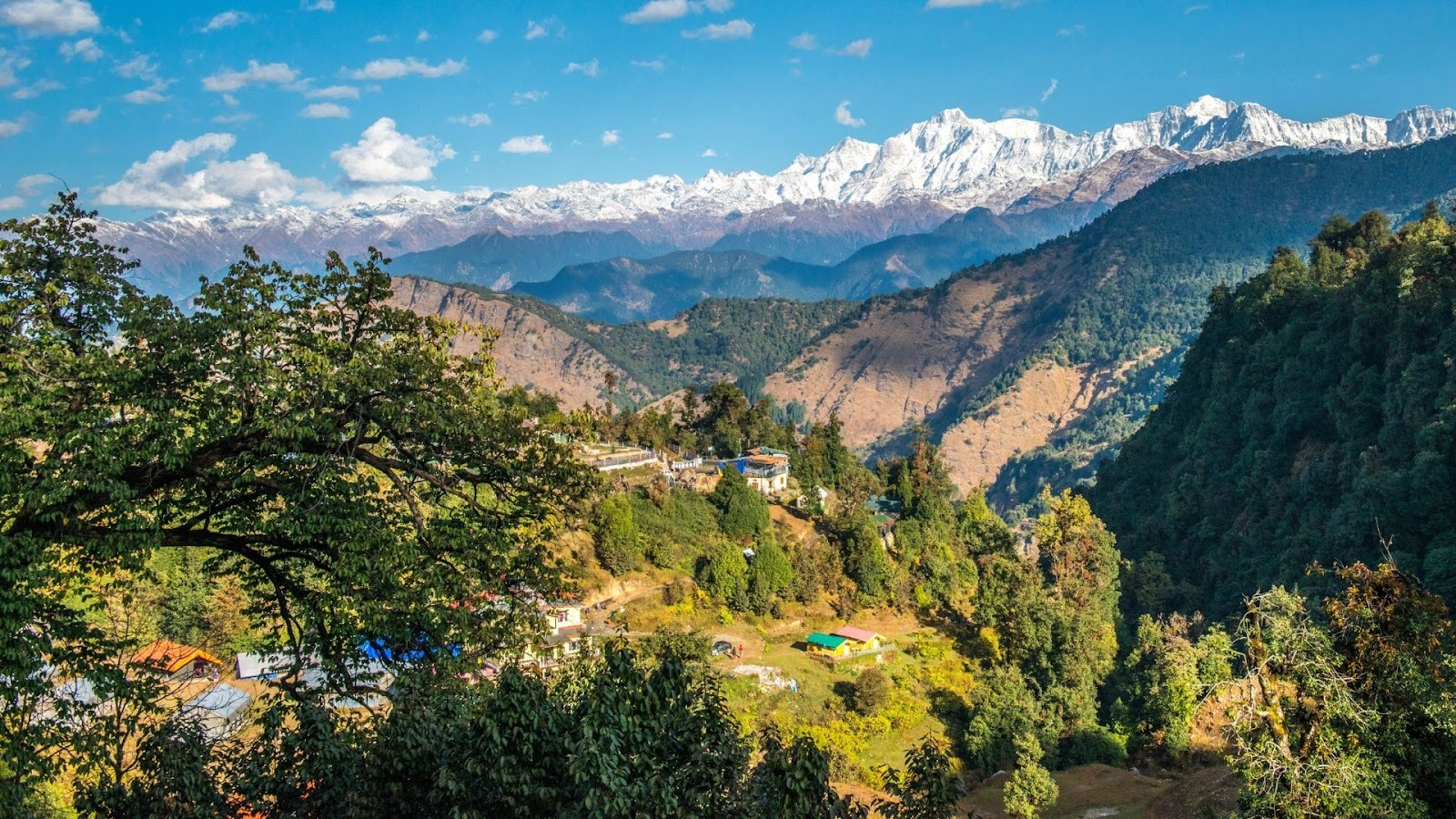
If you're new to winter mountain photography, Kedarkantha is your perfect starting point. This trek gives you all the drama of snow-covered Himalayan peaks without the technical difficulty of bigger expeditions.
The 360-degree summit views are incredible, you can see major ranges stretching to the horizon. But what photographers really love here is the variety. Dense forests covered in snow, frozen lakes that look like mirrors, and traditional mountain villages where smoke curls up from chimneys against snow-capped backgrounds.
Our winter photography packages include everything you need to handle cold-weather shooting – from battery management tips to the best camera settings for snow. Plus, since this is considered the "Queen of Winter Treks," the trails are well-established and safe for beginners.
Location: Sankri, Uttarakhand
Altitude: 12,500 ft
Distance: 20 KM
Duration: 4 Days
Grade: Easy to Moderate
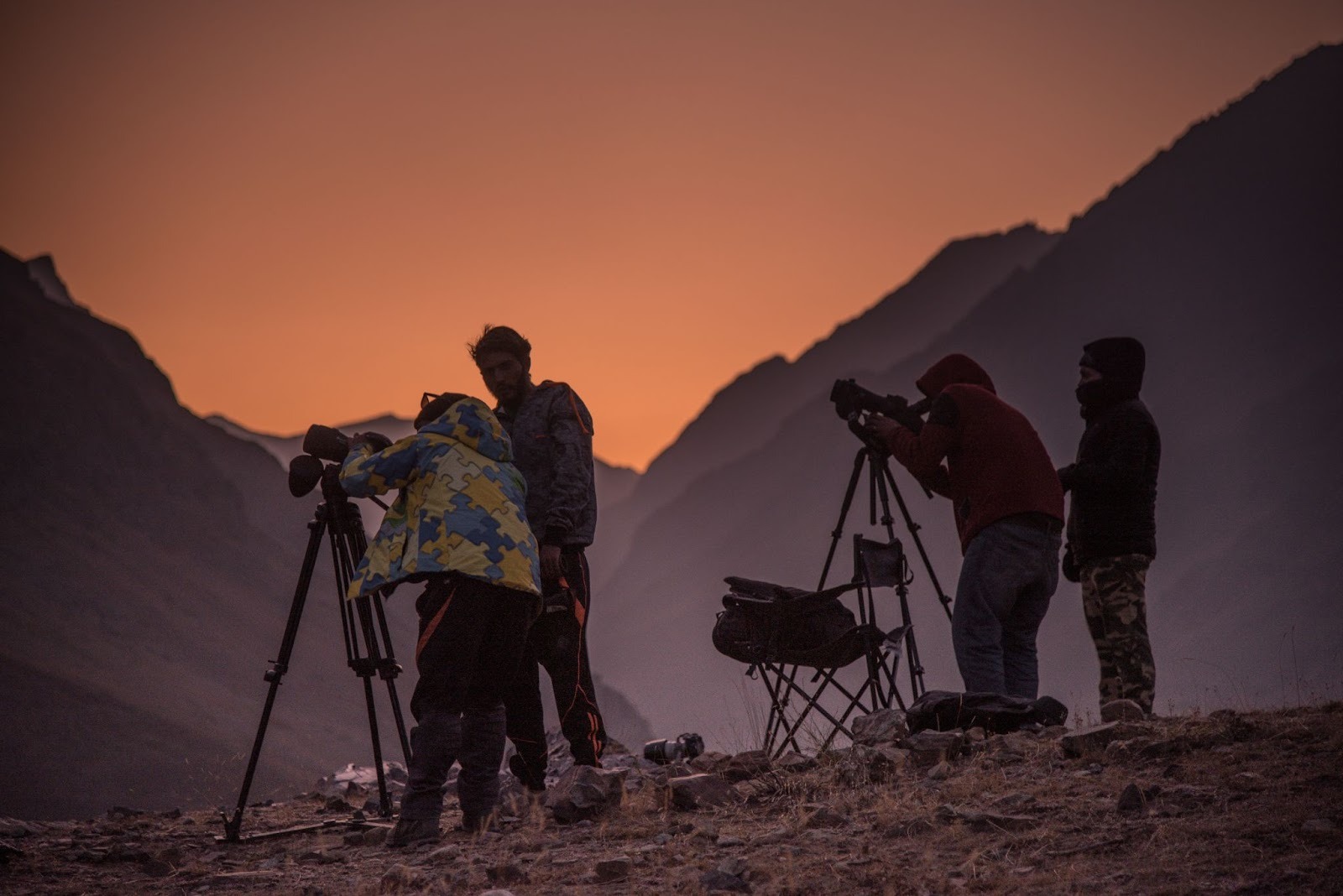
Ladakh is basically a photographer's playground. You've got desert landscapes that look like Mars during the day, and at night, some of the clearest skies you'll ever see. Seriously, the Milky Way here looks like someone painted it across the sky.
What makes Ladakh perfect for both landscape and night sky photography is the altitude and isolation. We're talking minimal light pollution and air so thin and clear that every star shows up crisp in your shots. We try to time our expeditions around the period when the sky is darkest, perfect for those epic Milky Way shots.
Top picks for Ladakh photography:
Look, choosing the right trek isn't just about picking the prettiest pictures online. You need to think about what kind of photographer you are and what you want to achieve.
Fitness and difficulty: Be honest with yourself here. Some treks are gentle walks through villages, others involve steep climbs at high altitude. We'll give you straight talk about what each trek demands physically.
When to go matters: Kashmir's autumn colours are spectacular in September-October, but try to photograph flowers there in December, and you'll be disappointed. Ladakh's clearest skies happen in summer, but winter gives you the Chadar trek. We'll help you match your timing to your photography goals.
Let me save you some headaches here. Mountain photography gear needs to be light, tough, and ready for anything Mother Nature throws at you.
Camera choice: Go mirrorless if you can. The weight difference over multiple days is huge, and image quality these days is just as good as DSLRs. Make sure it's weather-sealed because mountain weather changes fast.
Lenses you actually need: Wide-angle (14-24mm) for those epic landscape shots, telephoto (70-200mm) for isolating distant peaks, and a versatile mid-range zoom (24-70mm) for everything else.
Power is everything: Cold kills batteries fast. Pack 2-3 spares per camera and keep them warm against your body. Trust us on this one, you don't want your camera dying during a perfect sunrise.
Here's the bottom line, you can spend months researching and planning, or you can let us handle the details so you can focus on what you came here for: getting incredible shots. We've been doing this for 60 years, we know these mountains like our backyard, and we'll make sure you're in the right place at the right time with the right light.
Want to start planning your photography adventure? Get in touch with our team and let's talk about which trek matches your photography goals.
Trust us, the shots you'll bring home will make all your photographer friends seriously jealous.
Kedarkantha is perfect for beginners. Easy distances, clear viewpoints, comfortable camps, and our guides will teach you mountain photography basics along the way.
June to September for most treks, with July-August being ideal for clear skies. Want to try the frozen Chadar trek? January-February only.
Weather-sealed camera, wide and tele lenses, tripod, lots of extra batteries, and protective bags. We'll send you a detailed gear list when you book.
Not at all. We welcome everyone from phone photographers to professionals. Our guides help with technique, and honestly, the landscapes here make everyone look like a better photographer.
We've got relationships built over decades. All permits are sorted before you arrive, and you'll never have to worry about access issues.
Simple, we've been in these mountains longer than almost anyone else, and we design trips specifically for photographers, not just general trekkers who happen to carry cameras.
.avif)

.avif)

