Depart towards your home, concluding your beautiful journey.

n/a


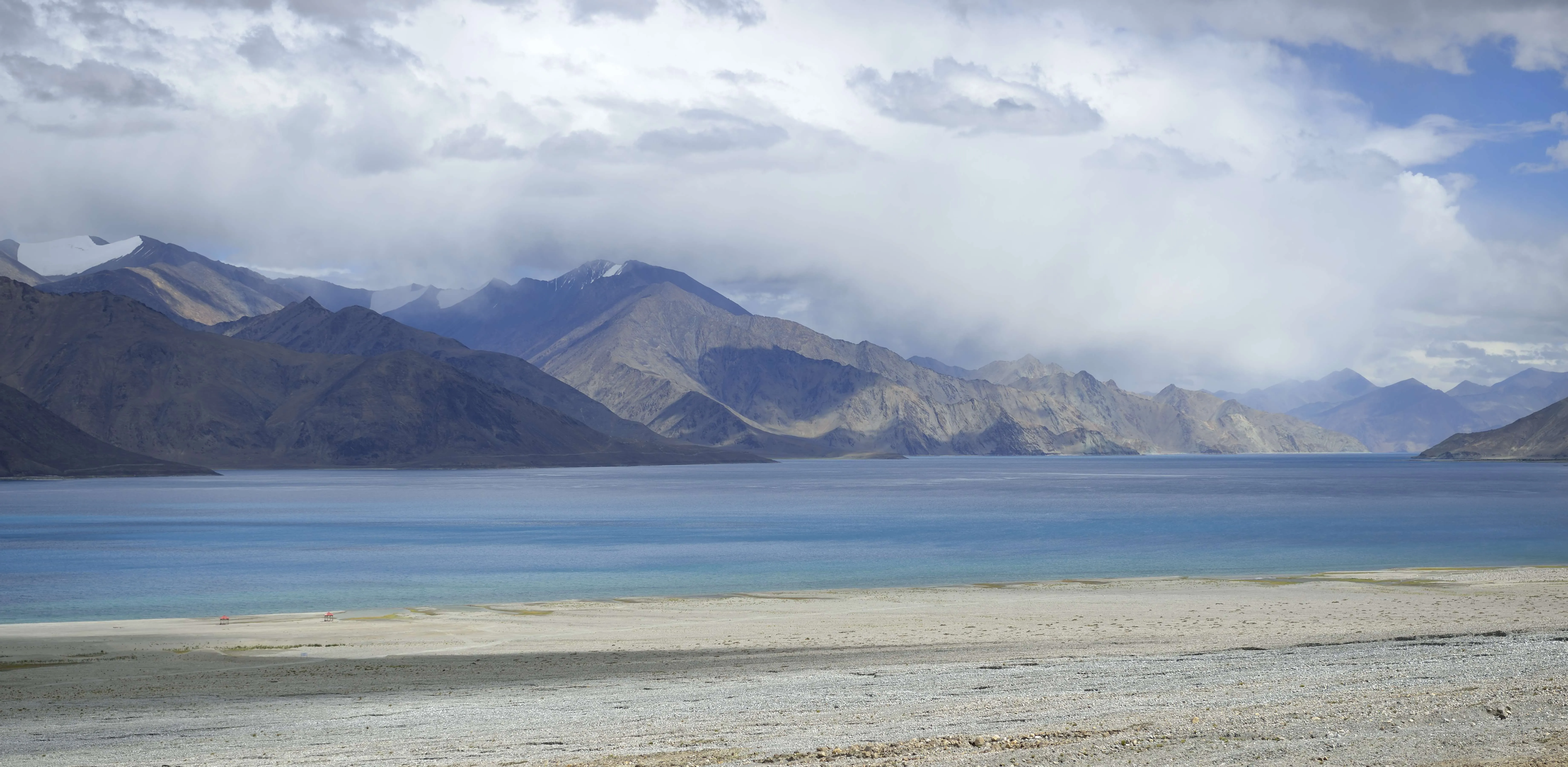
Explore Ladakh’s high passes, monasteries, and landscapes in immersive excursions and luxurious accommodations.
Ladakh is a region administered by India as a union territory and constitutes an eastern portion of the larger Kashmir region that has been the subject of a dispute between India and Pakistan since 1947 and India and China since 1959. Ladakh is bordered by the Tibet Autonomous Region to the east, the Indian state of Himachal Pradesh to the south, both the Indian-administered union territory of Jammu and Kashmir and the Pakistan-administered Gilgit-Baltistan to the west, and the southwest corner of Xinjiang across the Karakoram Pass in the far north. It extends from the Siachen Glacier in the Karakoram range to the north to the main Great Himalayas to the south. The eastern end, consisting of the uninhabited Aksai Chin plains, is claimed by the Indian Government as part of Ladakh, but has been under Chinese control.
In the past, Ladakh gained importance from its strategic location at the crossroads of important trade routes, but as Chinese authorities closed the borders between Tibet Autonomous Region and Ladakh in the 1960s, international trade dwindled. Since 1974, the Government of India has successfully encouraged tourism in Ladakh. As Ladakh is strategically important, the Indian military maintains a strong presence in the region.


Depart towards your home, concluding your beautiful journey.
Enjoy sunrise views over the lake before driving back to Leh through scenic high-altitude roads.
Explore the valley and drive through remote mountain routes to reach Pangong Lake. Witness the lake’s changing colors and dramatic setting surrounded by mountains.
Cross Khardung La, one of the world’s highest motorable passes, with breathtaking mountain views. Descend into Nubra Valley, known for its sand dunes, rivers, and unique cold desert scenery.
Visit iconic monasteries such as Thiksey Monastery and Hemis, along with palaces and viewpoints. Experience Ladakh’s rich Buddhist culture and stunning landscapes.
Arrive in Leh and transfer to your hotel. Spend the day resting and acclimatizing to the high altitude while exploring local markets and experiencing Ladakh’s unique mountain atmosphere.
A complete exploration of Ladakh’s most iconic landscapes, featuring ancient monasteries, high mountain passes, remote valleys, and the surreal beauty of Pangong Lake. This journey offers a powerful blend of culture, adventure, and some of the most dramatic scenery in the Himalayas.
This journey is ideal for beginners, nature lovers, and cultural explorers looking to experience Ladakh’s dramatic landscapes without undertaking difficult treks. It is perfect for travelers who want a mix of scenic drives, monasteries, high-altitude lakes, and authentic Himalayan culture.
High altitude is the biggest challenge, and some travelers may experience breathlessness, fatigue, or mild altitude sickness. Cold temperatures, dry air, and long mountain drives require patience and proper acclimatization.
Basic fitness is sufficient, but good overall health is important for high-altitude travel. Light walking ability and proper acclimatization will ensure a comfortable and enjoyable experience.
Absolutely - custom and private journeys are one of our specialties. Whether it’s a milestone birthday trek, a leadership retreat, a family adventure, or a private Himalayan odyssey with close friends, we’ll co-create the itinerary with you from scratch. You can choose your preferred dates, pace, style of travel (luxury, minimalist, alpine, cultural), and add special touches like local experiences, yoga, photography, or expert-led workshops. Our team handles every detail - permits, logistics, menus, support staff - so you can just focus on the experience. Depending on the group size and region, we can also include glamping setups, private chefs, or curated stays at off-grid homestays. Whether you want to summit a pass in Sikkim or sip salt tea with nomads in Ladakh, we’ll make it happen. Reach out through the “Customized trip format section” on the website, and we’ll begin with a discovery call to design your dream journey.
Absolutely - many of our travelers come solo and end up making lifelong friendships on the trail. You don’t need to assemble a group to book with Juniper. Each trip that’s tagged under “community trip or mentor led trip”has fixed departure dates where individuals, couples, or small groups can signup and join a larger group of like-minded outdoor enthusiasts. We limit group sizes to ensure a high-quality, personalised experience. If you’d prefer a private departure for your family or friends, we can customize the trip to your pace and interests. For solo travelers, we pair you in shared twin accommodation (or offer a single supplement if you’d prefer your own room/tent). Our trips attract thoughtful, adventurous people, and the community vibe is a big part of what makes a Juniper experience special. Whether you're flying solo or bringing your tribe, we’re excited to welcome you.
Yes - acclimatization is critical for any trip above 2,700–3,000 meters, and Juniper takes it seriously. Our itineraries are intentionally designed with built-in rest or acclimatization days, gradual altitude gains, and a “climb high, sleep low”philosophy to reduce your chances of Acute Mountain Sickness (AMS). On the trail, our guides monitor everyone’s health and hydration closely. If you’re coming from sea level, we recommend arriving at the start point (like Leh orManali) at least a day in advance to rest and begin the process. For strenuous or high-altitude treks (over 4,000 m), we also offer acclimatisation extensions or prep treks. Most travellers adjust well with proper pacing, hydration, and nutrition. We provide tips and protocols in your pre-departure kit, and our team carries oxygen cylinders and first aid if needed. Your safety is our top priority - no summit is worth compromising your health.
Yes - we offer a curated selection of beginner-friendly and family-oriented trips that prioritize comfort, safety, and immersive learning. These trips typically involve shorter walking days, lower altitudes, and culturally rich experiences that engage both adults and younger travelers. We’ve guided families with kids as young as 7 and first-time trekkers in their 60s. Each trip page will indicate whether it’s suited for beginners or families. Our team provides age-appropriate gear checklists, acclimatization guidance, and pacing that suits the slowest walker. Activities like village walks, nature spotting, campsite games, or storytelling sessions around the fire make the experience more than just a trek - it becomes a memory for life. If you’re unsure which trip is best, reach out, and we’ll tailor a recommendation. Whether it’s your first step into the mountains or a way to introduce your kids to nature, we’ll make sure it’s magical.
Yes - travel insurance is mandatory in Nepal or for trips rated 4 or 5 (difficulty rating), especially those in remote or high-altitude areas. Your policy should include coverage for emergency medical evacuation, high-altitude trekking (if applicable), trip cancellation, and baggage loss or delays. While the chances of needing evacuation are rare, in the Himalayas, even minor health issues can require airlift or medical care, which is costly without coverage. We recommend policies from providers familiar with adventure travel, and we’re happy to share a list of trusted options depending on your country of residence. Please read your policy terms carefully and share your insurance details with our team before departure. For international destinations like Nepal or Bhutan, border officials may also ask for proof of insurance. Having the right protection brings peace of mind - for you and for us - so that we can focus on creating an unforgettable experience, not logistics in crisis.
Booking with Juniper Outdoor is simple. Once you find a trip that excites you, click the "Contact Us " or “WhatsApp” button on the trip page. This will lead you to a short form that collects your contact information and preferences. Our team will then reach out to you with availability, a brief consultation if needed, and next steps. You can secure your slot by paying a deposit or full amount, after which we’ll send you a detailed pre-departure pack including packing lists, training recommendations (if applicable), and travel tips. We recommend booking at least 4 weeks in advance to secure your spot, especially for treks with limited permits or during peak season. If you're planning a private or custom departure, we’ll guide you through tailoring the experience to your group’s needs. Feel free to contact us anytime with questions before or after booking.
Each Juniper Outdoor experience is tagged with a difficulty rating ranging from Easy to Advanced. These ratings account for altitude, terrain, duration and required endurance. On every trip page, we provide a “difficulty rating from 1 to 5” section that outlines the physical requirements. If you’re new to trekking or high-altitude travel, we recommend starting with a low-altitude journey or a short Himalayan escape that includes guided hikes with support staff. Intermediate trekkers can take on multi-day trails like those in Sikkim or Himachal that are rated 1-2 or 3. Advanced travellers can explore high passes, remote basecamps, or winter ascents that are rated 3-4 or 5. If you're unsure, reach out - we’ll evaluate your background and suggest trips that match your goals and experience. Some treks may require preparation or training, and we’re happy to support you with a personalised training plan. The goal is for you to feel confident and ready, no matter your level.
Preparation depends on your trip’s difficulty, but as a rule, cardiovascular fitness, stamina, and leg strength are key. We recommend you start training at least 4–6 weeks in advance with regular walks, jogs, stair climbing, or hikes with a loaded backpack. Add some strength training for your core and lower body. Consistency matters more than intensity. For moderate or advanced treks, aerobic exercises like cycling, swimming, or running 3–4 times a week are ideal. If your trip involves altitude, building endurance over long, slow sessions will help simulate trail effort. You don’t need to be an athlete, but being well-prepared means you’ll enjoy the journey, not just survive it. We share Juniper Outdoor - training guidelines and sample routines in your pre-departure materials. If you’d like, our team can even create a personalized plan. Remember: the fitter you are, the freer you’ll feel in the mountains.
At high altitudes, oxygen levels drop, which means your body must work harder to perform basic functions. This adjustment period is called acclimatization, and while most people manage it well with proper pacing, some may develop Acute Mountain Sickness (AMS). Common symptoms include headache, nausea, fatigue, loss of appetite, and disturbed sleep. These usually appear above 2,700–3,000meters. Severe forms like HAPE or HACE are rare but serious. At Juniper, we build itineraries with gradual elevation gain, acclimatization days, and “climb high, sleep low” strategies. Our guides are trained to recognize symptoms early, conduct daily health checks, and respond with oxygen or descent if needed. Hydration, rest, and avoiding alcohol help prevent AMS. We’ll also advise you on preventive medication like Diamox, if applicable. You don’t need to fear altitude - but respecting it, preparing for it, and being honest about your symptoms are essential for a safe and enjoyable trek.