How to prepare for High Altitude Trekking
Don’t Just Trek, Thrive at High Altitude
Written by
.png)

.jpg)
Don’t Just Trek, Thrive at High Altitude
Written by
Imagine this, you're at 14,000 feet, surrounded by snow-capped giants, the air thin but crisp, your heart pounding not just from exertion but from the sheer majesty around you. This is what draws thousands to India's high-altitude mountain trips each year. But here's what 60 years of Himalayan experience has taught us at Juniper Outdoor - the difference between a transformative adventure and a dangerous ordeal often comes down to one thing: preparation.
Since our patron Captain M.S. Kohli led India's historic Everest expedition in 1965, putting nine climbers on the summit and setting a world record that lasted 17 years, we've guided countless adventurers through the complexities of high-altitude trekking. Captain Kohli participated in the maiden ascent of Annapurna III and India's first ascent of Nanda Kot, establishing our family's deep mountaineering heritage.
Whether you're considering technical expeditions or seeking premium active holidays in the mountains, proper preparation isn't optional. It's your gateway to safe, enjoyable mountain experiences that we'll help you plan every step of the way.
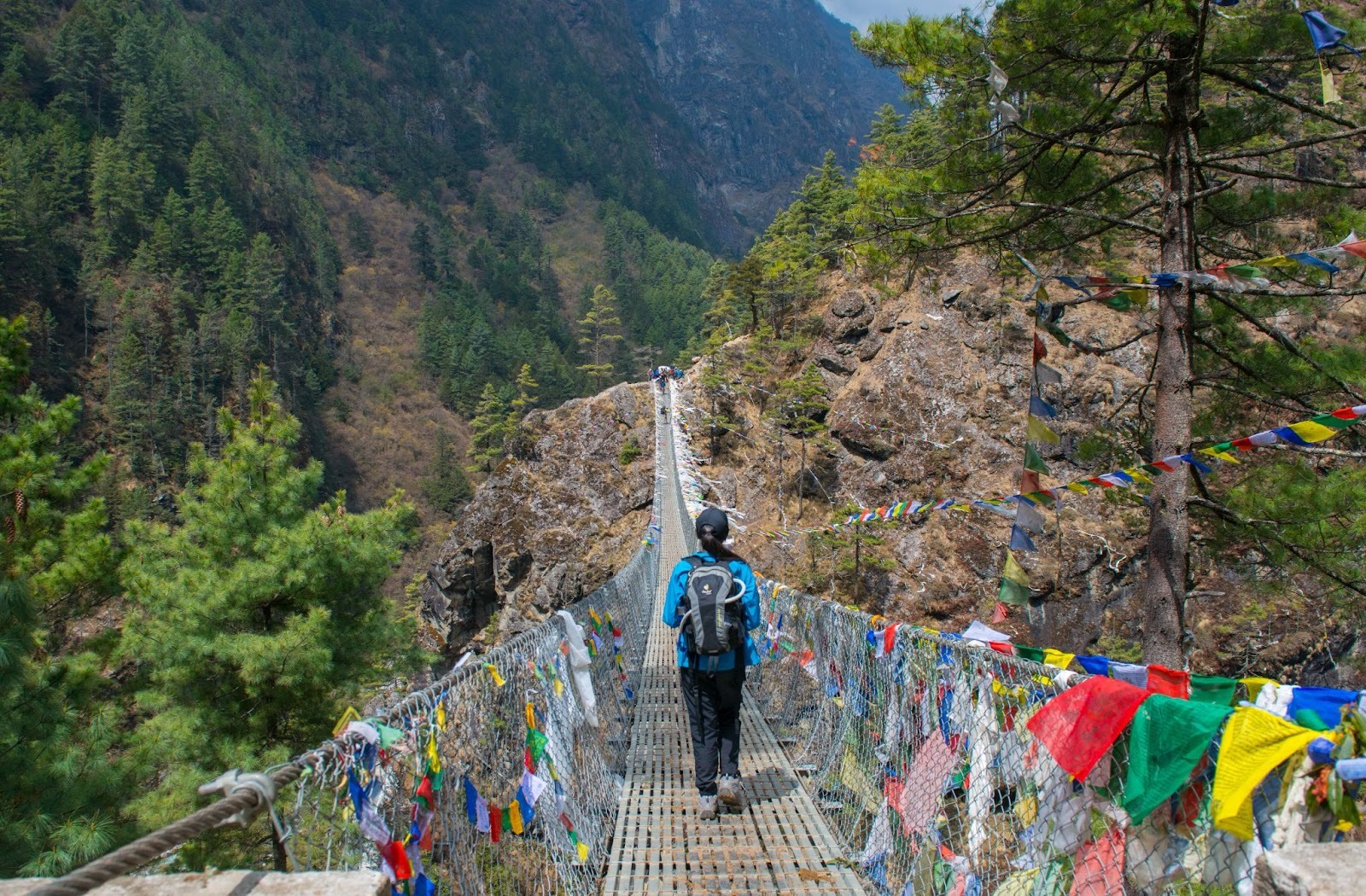
High altitude isn't just about impressive numbers on your GPS. In mountaineering terms, we classify altitudes as:
At these elevations, your body faces reduced oxygen levels, dramatic temperature swings, and increased UV exposure. What makes mountain trips in India particularly challenging is how quickly you can gain altitude. You might start at 1,000 feet in a valley and reach 16,000 feet within days. That's where our expertise becomes invaluable.

India's Himalayas offer extraordinary diversity for high-altitude adventures. Our premium Kashmir experiences take you to alpine meadows and glacial lakes, while our technical expeditions challenge experienced mountaineers on routes that demand serious preparation. We handle all the logistics so you can focus on the adventure.
Each region presents unique challenges. Ladakh's stark beauty comes with extreme altitude gains, while Kashmir's high meadows demand understanding of rapidly changing weather patterns. We know these regions intimately and plan accordingly.

Your body doesn't lie at altitude. After three decades of guiding mountain trips, we've seen well-meaning adventurers struggle not because they lacked courage, but because they underestimated the physical demands. We'll help you create a training plan that actually works.
8 to 12 Week Training Protocol for Standard High Altitude Treks:
Advanced Preparation for Technical Routes: For serious expeditions above 18,000 feet, we recommend extending this to 16 weeks with mountaineering skills practice. Remember, the fittest person in the group isn't always the one who reaches the summit. It's the one who has prepared systematically with proper guidance.
Altitude sickness affects anyone, regardless of fitness level. We've seen Olympic athletes struggle while grandmothers thrive. The key is understanding your body's signals and following proven protocols that we've refined over decades.
Our Time-Tested Acclimatisation Strategy:
The beauty of our Himalaya tour packages is that we build these protocols into every itinerary. You're not just booking a trek; you're investing in decades of high-altitude expertise that keeps you safe while maximising your mountain experience.
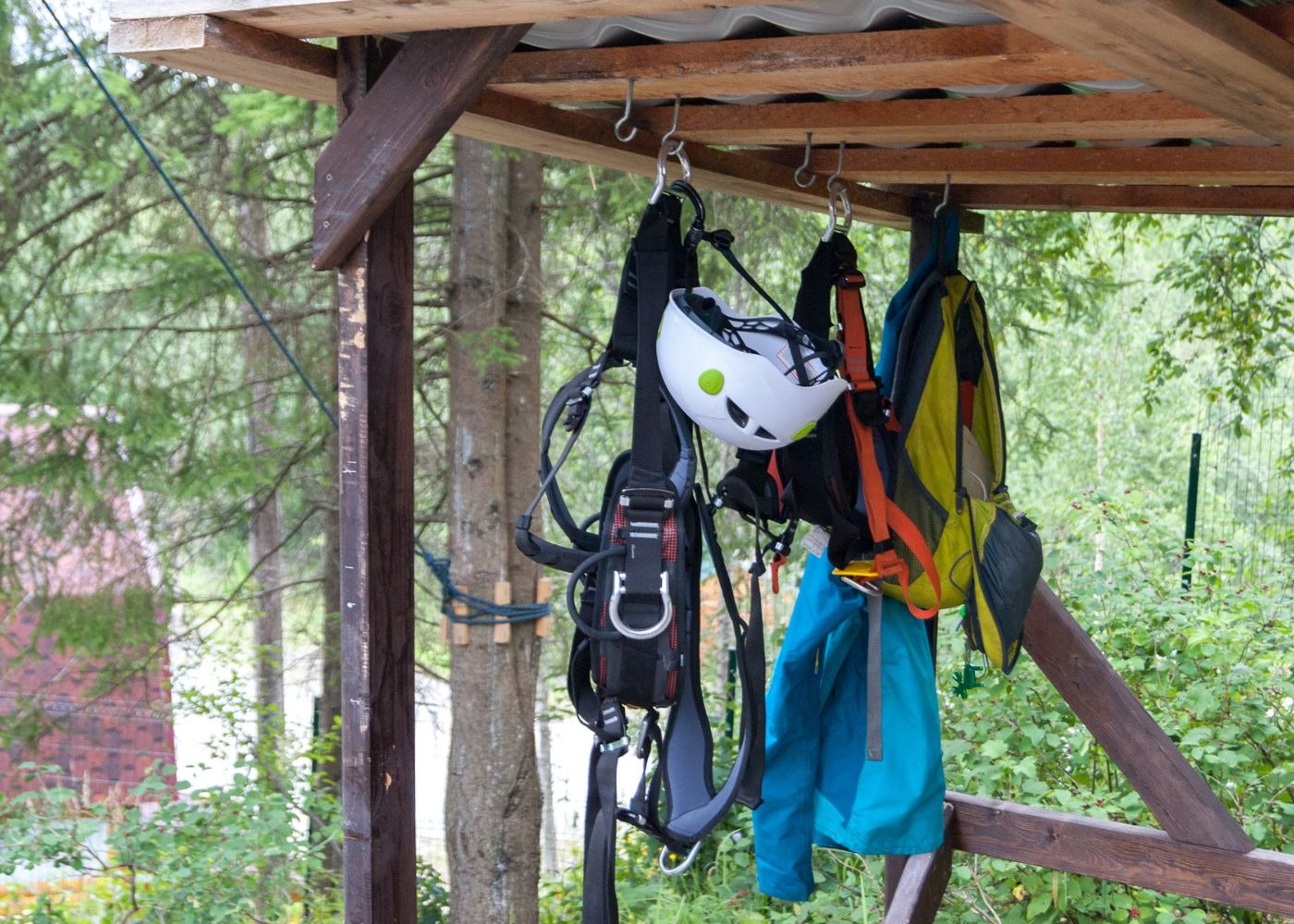
Quality gear isn't a luxury in the mountains. It's life insurance. Through years of testing equipment in extreme conditions, we've identified the non-negotiables for mountain safety equipment. We'll help you choose the right gear for your specific expedition.
Life-Critical Safety Equipment:
The layering principle saves lives in the mountains. We've seen trekkers struggle because they brought expensive gear but didn't understand how to use it effectively.
The Three-Layer System:
Our guides will teach you proper layering techniques during your expedition.

Recognising altitude sickness early can mean the difference between a challenging day and a medical emergency. After leading hundreds of high-altitude adventures, we've learned to spot the warning signs before they become serious.
Classic AMS Symptoms:
The golden rule remains unchanged: when in doubt, descend. Our guides carry pulse oximeters and are trained to make difficult decisions that prioritise your safety over summit ambitions.
Pre-trek medical clearance isn't bureaucratic paperwork. It's smart preparation that we insist on for all our expeditions. We recommend comprehensive health checks 6 to 8 weeks before departure, allowing time to address any issues.
Essential Pre-Trek Health Protocol:
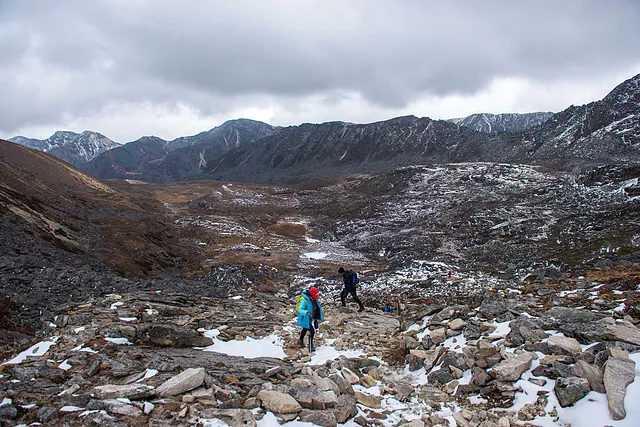
Not all mountain trips are created equal, and matching your experience to the right trek tour packages makes all the difference. Our classification system, refined through 60 years of Himalayan exploration, ensures you choose adventures that challenge without overwhelming.
For Mountain Trip Newcomers: Our active holiday experiences combine gentle altitude exposure with premium accommodations.
For Developing Mountaineers: Mid-level expeditions offer technical skill development with manageable risk.
For Serious Expeditioners: Our expedition packages demand previous high-altitude experience and advanced mountaineering skills.
Here's what decades of mountain experience have taught us: the Himalayas aren't where you want to learn expensive lessons. Our guided Himalaya tour packages provide layers of safety that independent trekkers simply can't replicate.
Why Professional Guidance Matters:
Ready to transform your mountain dreams into a safe reality? Let Juniper Outdoor's Himalayan expertise guide your next adventure.
Nutrition at altitude isn't about gourmet meals. It's about the fuel that your body can actually process when oxygen is limited. Your appetite often disappears above 14,000 feet, making food choices crucial for maintaining energy and health. Our mountain cooks understand this completely.
High-Altitude Nutrition Strategy:
We've learned that simple, familiar foods work better than exotic energy products. Our mountain cooks prepare balanced high-altitude meals your stomach will actually accept.
The mountains test your mind as much as your body. Summit day on a serious expedition can last 12-18 hours, often through the night, in temperatures that would challenge your resolve at sea level.
Mental Preparation Techniques:
Remember, turning back isn't failure. It's a good judgment that we support completely.
These simple rules have saved more lives than any piece of expensive equipment. After decades of leading mountain trips, these principles remain non-negotiable for all our expeditions.
Ascent Rules:
Descent Rules:
The paperwork might be tedious, but it separates well-planned adventures from potential disasters. Our comprehensive pre-departure process ensures nothing crucial gets overlooked, and we handle most of the documentation for you.
Essential Documentation:
We monitor weather conditions months in advance and maintain flexible itineraries that adapt to actual mountain conditions.
Essential Equipment:
For technical routes, additional mountaineering equipment like harnesses, helmets, ice axes, and crampons is required. We provide detailed equipment lists specific to your chosen expedition.
Ready to experience the Himalayas with India's most experienced mountain guides? Our heritage expedition packages combine Captain Kohli's legendary mountaineering wisdom with modern safety protocols.
The mountains have a way of revealing who you really are. In our six decades of Himalayan exploration, we've witnessed countless transformations. Tentative trekkers become confident mountaineers. City dwellers discover inner strength they never knew existed. Families bond over shared challenges that seemed impossible from the valley below.
These transformations don't happen by accident. They're the result of careful preparation, expert guidance, and respect for the mountains. When you're properly prepared and guided by our experienced team, the mountains stop being obstacles and become teachers.
Your high-altitude adventure awaits, backed by six decades of Himalayan expertise and a commitment to safety that honours both your ambitions and your family's peace of mind. The mountains are calling, and we're here to help you answer with confidence.
Contact Juniper Outdoor to plan your next trip.
Most people need 2 to 3 days at each altitude level above 8,000 feet. Our expeditions include mandatory rest days for proper acclimatisation.
Pre-monsoon (March to May) and post-monsoon (September to November) offer the most stable conditions. We'll help you choose the right timing for your specific destination.
Headache, nausea, fatigue, and difficulty sleeping are initial symptoms. Our guides are trained to recognise these signs and take appropriate action.
Not for standard trekking routes, but technical expeditions above 18,000 feet require previous mountaineering experience. We'll assess your skills and recommend appropriate adventures.
.avif)

.avif)

