After breakfast, you’ll be transferred to the airport for your onward journey. We hope you leave with beautiful memories of your time in the mountains.

n/a




After breakfast, you’ll be transferred to the airport for your onward journey. We hope you leave with beautiful memories of your time in the mountains.
Fly back to Ramechap, then transfer by road to Kathmandu. The afternoon is free for rest, shopping, or exploration. Accommodation: Hotel Yak & Yeti or similar
Final trekking day, celebrating the successful journey with your team. Lukla has a lively atmosphere and is a traditional meeting point for climbers and trekkers returning from expeditions. Evening free to relax and reflect on the Himalayan experience.
We descend further, passing through Namche Bazaar before heading back down to Monjo, just outside the boundary of Sagarmatha National Park. The walk takes around 5 hours. We stay overnight at a lodge in Monjo. Accommodation: Yeti Mountain Home or similar
We retrace our steps today, walking through familiar landscapes as we return to Thyangboche. The trail is mostly downhill and takes about 5 hours. We spend the night at a peaceful hotel in the village. Accommodation: Hotel Rivendell (New Wing)
We wake early to hike up Kalapathar - one of the best viewpoints for seeing Everest at sunrise. After enjoying the views, we descend back to Gorakshep and continue trekking to the lower-altitude village of Pheriche. The full day involves about 5 hours of walking. Accommodation: Himalaya Lodge or similar
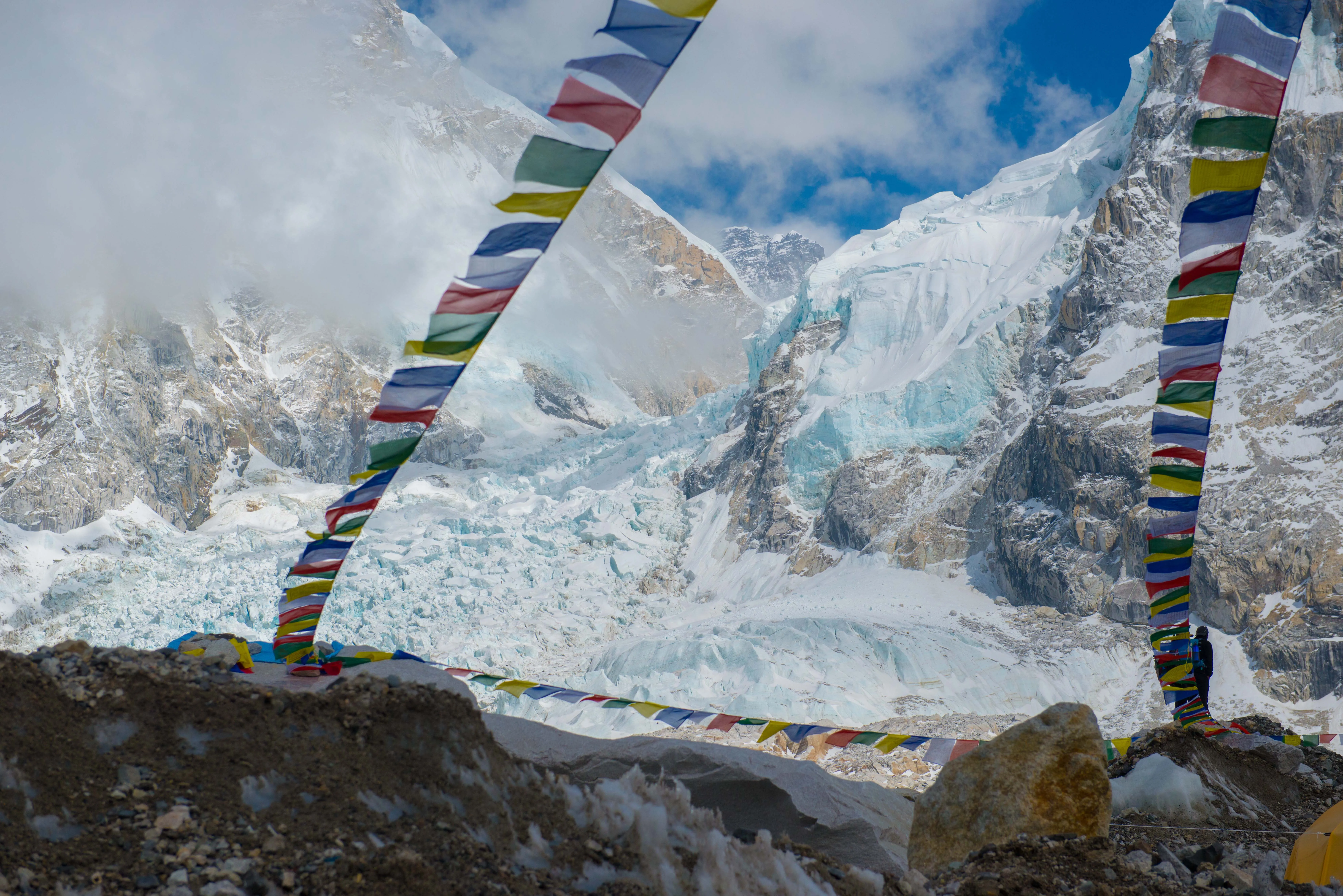
We begin with a 3-hour trek to Gorakshep, the last stop before Base Camp. After a break and early lunch, we continue on to Everest Base Camp. It’s a rocky, beautiful trail that leads us to this iconic spot at the foot of the world’s highest mountain. We return to Gorakshep for the night. Accommodation: Snowland Lodge (Basic – common toilet)
We continue climbing slowly today, walking through the wide valley and up to Thukla Pass, where memorials stand for climbers who lost their lives on Everest. After the pass, we make our way to Loboche. This stretch takes around 5 hours. Accommodation: New EBC or Oxygen Lodge
This is another important rest day to help with acclimatization. You’re welcome to take a gentle hike above the village for views of the surrounding peaks or simply rest and enjoy the slower pace. Accommodation: Dingboche Resort
Today’s route takes us through alpine terrain, past the villages of Debuche and Pangboche. We cross the Imja River and climb steadily into the valley that leads to Dingboche. The trek takes around 5–6 hours. Accommodation: Dingboche Resort
After breakfast, we head out on a beautiful trail with views of Everest and Ama Dablam. The path winds through rhododendron forests before reaching Thyangboche, home to the region’s most famous monastery. The walk takes 5–6 hours, and we stay overnight at a quiet hotel nearby. Accommodation: Hotel Rivendell (New Wing)
To help adjust to the altitude, we spend a rest day in Namche. You can take a short hike to the Everest View Hotel for a first glimpse of Everest or explore the town’s markets and cafes. We return to the same lodge for the night. Accommodation: Yeti Mountain Home or similar
We follow the Dudh Koshi River today, crossing suspension bridges and passing through forests and small villages. The final stretch is a steep climb into Namche Bazaar, the lively Sherpa town that’s the gateway to Everest. The trek takes about 5–6 hours. We stay overnight at a lodge in Namche. Accommodation: Yeti Mountain Home or similar
Your journey begins with a pre-dawn drive at 2:00 am to Ramechap (4–5 hours), the gateway for flights into the Everest region. The road winds through scenic valleys and terraced hillsides, with glimpses of rural Nepal stirring awake as you pass. From Ramechap, you’ll board an early morning 15-minute flight to Lukla, where the dramatic landing strip is surrounded by soaring Himalayan peaks. On arrival, the trek begins with a gentle 3-hour walk to Phakding, a peaceful riverside village. Accommodation: Yeti Mountain Home or similar
Your Himalayan journey begins with your arrival in Nepal’s vibrant capital, Kathmandu (1,400 m). A representative will meet you at the airport and transfer you to Yak & Yeti, a charming heritage hotel nestled in the city’s historic heart. The rest of the day is yours to unwind or explore nearby temples, bustling bazaars, and courtyards steeped in centuries of culture.
The journey to Everest Base Camp is the ultimate Himalayan experience, combining dramatic mountain scenery, iconic Sherpa culture, and the thrill of standing at the foot of the world’s highest peak. Passing through ancient villages and high-altitude landscapes in Sagarmatha National Park, it is as much a cultural immersion as it is a physical adventure.
Trekkers with good fitness, first-time high-altitude trekkers with proper preparation, and experienced hikers looking to experience the classic Everest route.
Long trekking days, high altitude and risk of AMS, cold temperatures, variable mountain weather, and gradual but sustained ascents.
Good fitness level with the ability to walk 5–7 hours daily for multiple days. Prior endurance training and basic trekking experience recommended.
Yes - we offer a curated selection of beginner-friendly and family-oriented trips that prioritize comfort, safety, and immersive learning. These trips typically involve shorter walking days, lower altitudes, and culturally rich experiences that engage both adults and younger travelers. We’ve guided families with kids as young as 7 and first-time trekkers in their 60s. Each trip page will indicate whether it’s suited for beginners or families. Our team provides age-appropriate gear checklists, acclimatization guidance, and pacing that suits the slowest walker. Activities like village walks, nature spotting, campsite games, or storytelling sessions around the fire make the experience more than just a trek - it becomes a memory for life. If you’re unsure which trip is best, reach out, and we’ll tailor a recommendation. Whether it’s your first step into the mountains or a way to introduce your kids to nature, we’ll make sure it’s magical.
Absolutely - custom and private journeys are one of our specialties. Whether it’s a milestone birthday trek, a leadership retreat, a family adventure, or a private Himalayan odyssey with close friends, we’ll co-create the itinerary with you from scratch. You can choose your preferred dates, pace, style of travel (luxury, minimalist, alpine, cultural), and add special touches like local experiences, yoga, photography, or expert-led workshops. Our team handles every detail - permits, logistics, menus, support staff - so you can just focus on the experience. Depending on the group size and region, we can also include glamping setups, private chefs, or curated stays at off-grid homestays. Whether you want to summit a pass in Sikkim or sip salt tea with nomads in Ladakh, we’ll make it happen. Reach out through the “Customized trip format section” on the website, and we’ll begin with a discovery call to design your dream journey.
Absolutely - many of our travelers come solo and end up making lifelong friendships on the trail. You don’t need to assemble a group to book with Juniper. Each trip that’s tagged under “community trip or mentor led trip”has fixed departure dates where individuals, couples, or small groups can signup and join a larger group of like-minded outdoor enthusiasts. We limit group sizes to ensure a high-quality, personalised experience. If you’d prefer a private departure for your family or friends, we can customize the trip to your pace and interests. For solo travelers, we pair you in shared twin accommodation (or offer a single supplement if you’d prefer your own room/tent). Our trips attract thoughtful, adventurous people, and the community vibe is a big part of what makes a Juniper experience special. Whether you're flying solo or bringing your tribe, we’re excited to welcome you.
Yes - travel insurance is mandatory in Nepal or for trips rated 4 or 5 (difficulty rating), especially those in remote or high-altitude areas. Your policy should include coverage for emergency medical evacuation, high-altitude trekking (if applicable), trip cancellation, and baggage loss or delays. While the chances of needing evacuation are rare, in the Himalayas, even minor health issues can require airlift or medical care, which is costly without coverage. We recommend policies from providers familiar with adventure travel, and we’re happy to share a list of trusted options depending on your country of residence. Please read your policy terms carefully and share your insurance details with our team before departure. For international destinations like Nepal or Bhutan, border officials may also ask for proof of insurance. Having the right protection brings peace of mind - for you and for us - so that we can focus on creating an unforgettable experience, not logistics in crisis.
As a company, we are deeply committed to the "Leave No Trace" philosophy. For us, this means minimizing our environmental impact in every way possible - ensuring that the natural places we visit remain undisturbed, preserved, and respected. Whether it’s through responsible waste management, choosing low-impact accommodations, or working with partners who share our values, we strive to leave the landscapes we explore as we found them - or better. This ethos guides our decisions and helps shape a more sustainable and mindful way of traveling. Many of our itineraries include community-led experiences that promote cultural exchange - with full respect to traditions and privacy. We brief every group on cultural etiquette, language tips, and local dos and don’ts.
Each Juniper Outdoor experience is tagged with a difficulty rating ranging from Easy to Advanced. These ratings account for altitude, terrain, duration and required endurance. On every trip page, we provide a “difficulty rating from 1 to 5” section that outlines the physical requirements. If you’re new to trekking or high-altitude travel, we recommend starting with a low-altitude journey or a short Himalayan escape that includes guided hikes with support staff. Intermediate trekkers can take on multi-day trails like those in Sikkim or Himachal that are rated 1-2 or 3. Advanced travellers can explore high passes, remote basecamps, or winter ascents that are rated 3-4 or 5. If you're unsure, reach out - we’ll evaluate your background and suggest trips that match your goals and experience. Some treks may require preparation or training, and we’re happy to support you with a personalised training plan. The goal is for you to feel confident and ready, no matter your level.
Our trip cost includes nearly everything you’ll need for a seamless experience. Typically, this covers all accommodations (lodges, campsites, or guesthouses),meals during the expedition, support staff (guides, cooks, porters), permits, transport during the trip (like internal drives or local transfers), and group equipment such as tents, sleeping bags, and technical gear. Each trip page has a detailed “What’s Included” section, and we encourage you to review it carefully. What’s not included are your travel expenses like flight tickets to and from the trip start point (unless stated), personal trekking gear(clothing, hiking boots, backpacks), insurance, and incidental personal expenses like snacks or souvenirs. For some international trips or expeditions, flights, visa fees, and extra nights before/after the trip may be additional. Transparency is key at Juniper, so we’re always happy to walk you through the cost breakdown or advise on gear rentals or purchases if needed.