Guided vs Self-Guided Trekking Tours Explained
Trek Your Way — With a Guide or On Your Own
Written by
.png)

.jpg)
Trek Your Way — With a Guide or On Your Own
Written by
You're standing at a Himalayan trailhead, backpack ready, heart racing with anticipation. The question many adventurers face: should you tackle this journey with an expert guide or venture independently?
After decades of crafting mountain experiences across the Himalayas, we've helped thousands of trekkers navigate this exact decision. The choice between guided and self-guided trekking tours goes beyond personal preference. It's about matching your adventure goals with the reality of what these ancient mountain paths demand.
Let us share what we've learned from leading expeditions through some of the world's most challenging terrain, and help you choose the approach that will make your mountain dreams a reality.
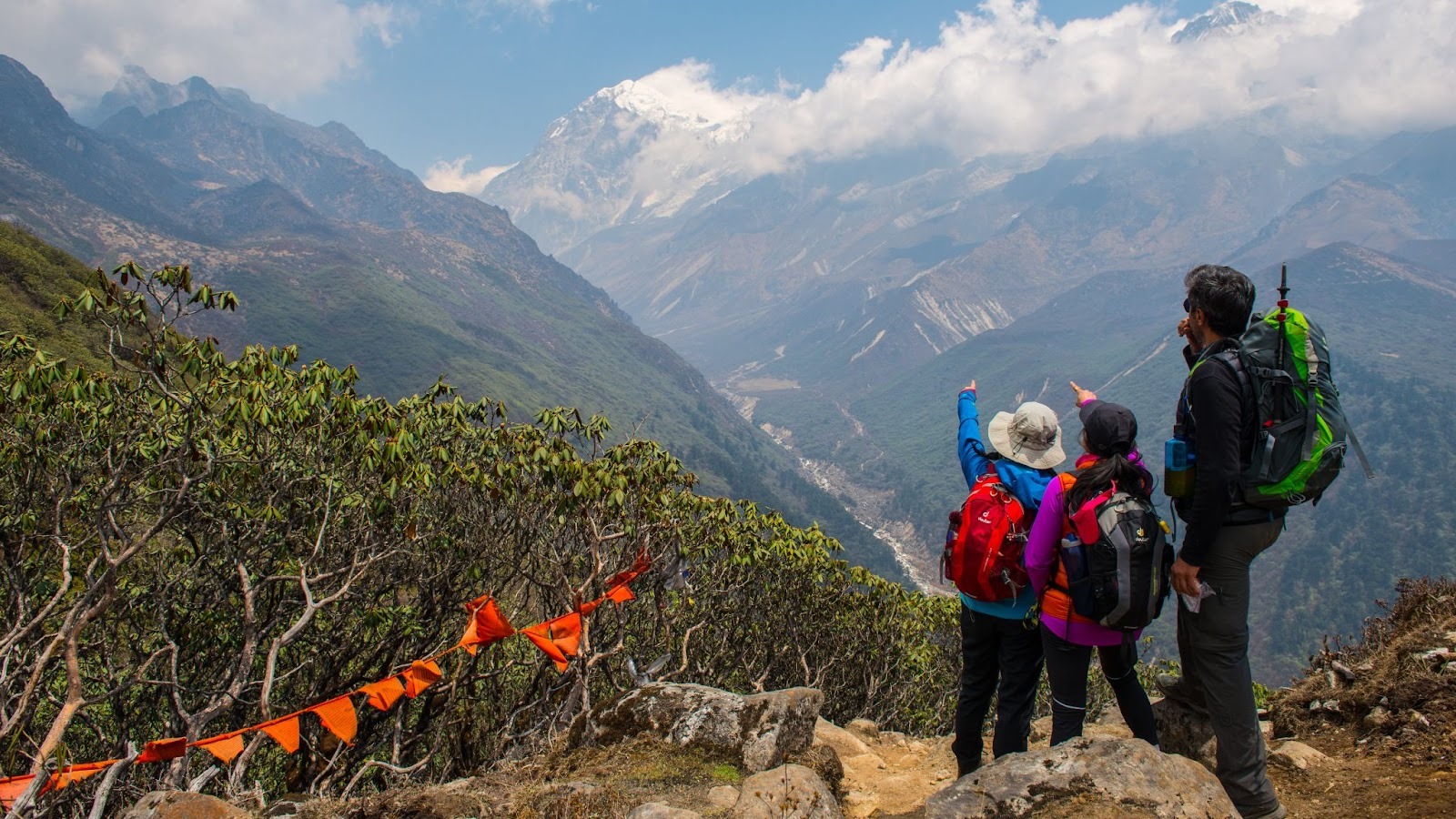
A guided trek means having a mentor by your side. When you choose one of our premium trekking experiences, you get more than someone to show you the way. You gain access to decades of accumulated wisdom, local connections, and safety expertise that transform an ordinary trek into an extraordinary journey.
Your guide becomes your mountain translator. They read weather patterns, understand altitude changes, and know local customs. They know which teahouse serves the warmest dal bhat, where to find spectacular sunrise viewpoints, and most importantly, how to keep you safe when mountains test your limits.
Our trekking tour operators handle everything:
When you join our Bhutan trekking tour or venture on Ladakh trekking tours, we handle every logistical detail. You focus entirely on those life-changing mountain moments.
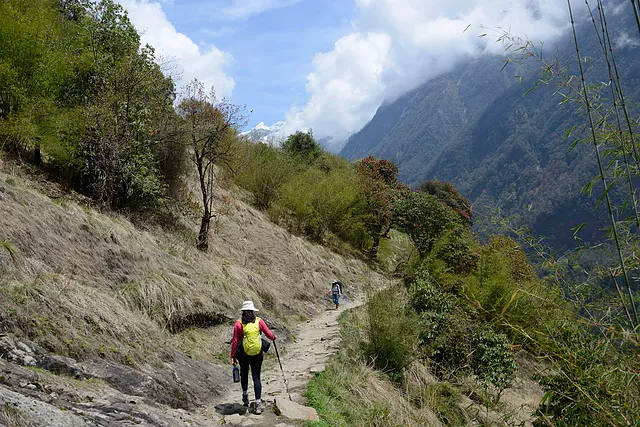
Self-guided trekking means you become the expedition leader. You plan routes, set pace, make decisions, and navigate using your skills and judgment. It's you (or your small group), the trail, and whatever challenges the mountains present.
This approach requires extensive preparation. You research routes, obtain permits, book accommodations, plan meals, navigate with maps and GPS, and handle emergencies. It offers complete independence but demands significant mountain experience.
Self-guided trekkers handle:
Most self-guided adventures work well for experienced trekkers in groups of 2-4 people with similar fitness levels.
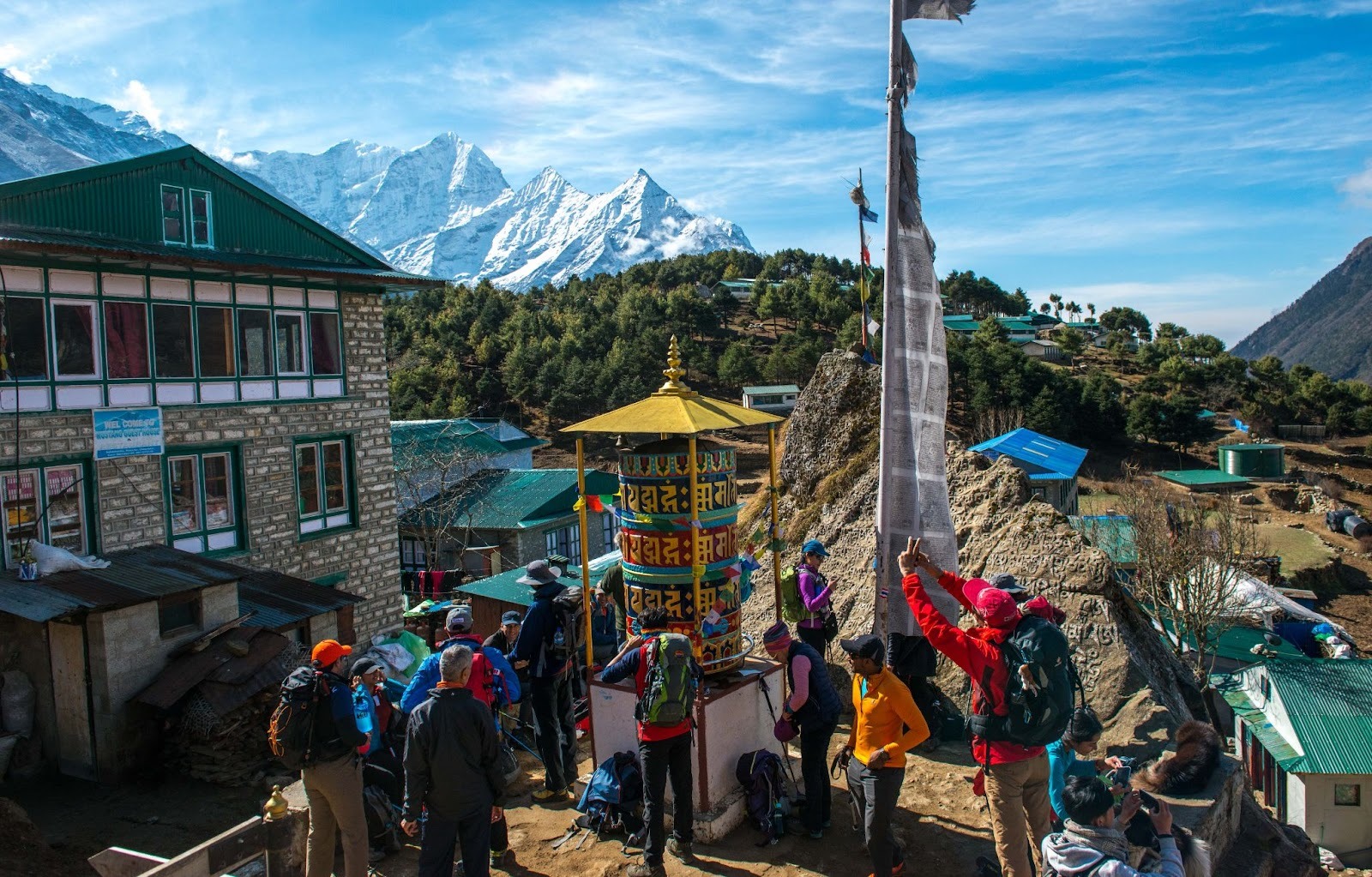
On our guided treks, you learn why certain peaks are sacred, understand prayer flag significance, and meet medicinal plants that sustain mountain communities. Self-guided trekkers often miss these cultural layers entirely.
Mountains are unpredictable. Weather changes rapidly, altitude affects people differently, and terrain presents unexpected challenges. Our guides undergo rigorous training in wilderness first aid, high-altitude medicine, and emergency evacuation procedures.
Self-guided trekkers assume full responsibility for safety. While this appeals to many, it requires extensive preparation and mountain experience to handle emergencies effectively.
Getting lost in the Himalayas isn't just inconvenient - it's dangerous. Our guides know alternative routes when landslides block paths, understand seasonal trail variations, and read weather patterns visitors might miss.
Self-guided trekkers rely on maps, GPS devices, and navigation skills. Technology helps, but it's not foolproof in remote mountains where batteries die and signals disappear.
Guided group trekking tours create instant communities. You'll share experiences with fellow adventurers and form lasting friendships. Our community trips are designed specifically for these connections.
Self-guided trekking offers complete schedule flexibility. Want to spend extra time at a viewpoint? Your choice entirely.

Stress-Free Experience: “When I planned my trip through Juniper, all the moving parts that usually overwhelm you simply disappeared. Yes, there’s an additional fee, but what you get in return is the freedom from every bit of planning stress. Their recommendations are thoughtful, detailed, and genuinely personalised, letting you focus entirely on the experience rather than the logistics.” - Sarika.
Enhanced Safety: Our guides carry satellite communication devices and comprehensive first-aid kits, and have established evacuation procedures. They recognise the symptoms of altitude sickness and know exactly when to turn back or seek medical help.
Cultural Access: Our relationships with local communities, built over decades, open doors to monastery visits, traditional ceremonies, and homestay experiences that independent travellers rarely access.
Educational Value: Daily learning about geology, wildlife, weather patterns, and mountain ecology.
Higher Investment: Professional services cost more upfront, but most trekkers find exceptional value.
Fixed Schedules: Group itineraries follow planned timelines with limited spontaneous changes.
Group Dynamics: Trekking with strangers, though this often leads to unexpected friendships.
Benefits: Complete flexibility, cost control, personal achievement, intimate experiences, skill development.
Challenges: Extensive planning, full safety responsibility, cultural barriers, navigation difficulties, and permit complexities.
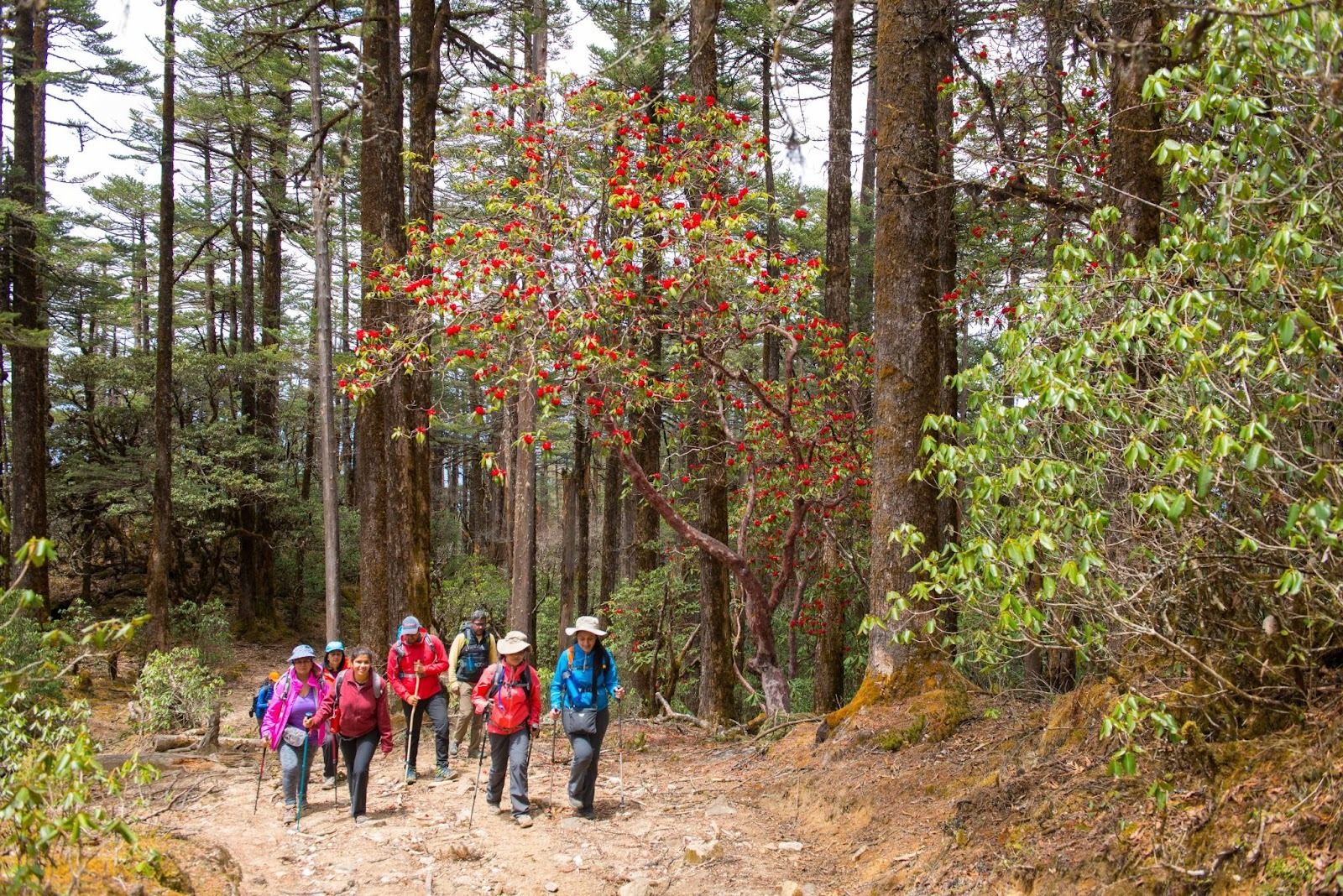
Bhutan requires all visitors to book through licensed operators. Our Trans Bhutan Trail showcases ancient culture and pristine landscapes with essential permit handling and cultural access.
High altitude and complex terrain make Ladakh ideal for guided experiences. Our Ladakh Explorer combines comfortable accommodations with challenging day treks. Most routes begin above 11,000 feet, requiring careful acclimatisation.
Routes like our Kashmir Great Lakes trek involve glacier crossings and unmarked trails where local knowledge determines success.
Guided tours are essential for:
Nepal officially prohibits solo trekking by foreign nationals in all national parks and protected areas as of April 2023. All foreign trekkers must hire licensed guides through registered agencies for routes requiring TIMS cards, including Everest Base Camp and Annapurna Circuit.
Self-guided trekking works for experienced travellers on:
Even in these areas, we recommend professional guidance for safety and cultural enrichment.
Selecting the right trekking tour operators makes all the difference in your mountain experience. Here's what matters:
We maintain certified guides, emergency communication equipment, and established evacuation procedures. Our guides undergo continuous training in wilderness medicine and rescue techniques.
Our maximum group size of 8-10 trekkers ensures personalised attention while maintaining the social aspects that make group travel special.
We include permits, meals, accommodation, porter services, safety equipment, and guide expertise. No surprise expenses or missing services.
Our 60-year presence in the Himalayas has created partnerships that enrich every journey while ensuring your tourism benefits local communities.
At Juniper Outdoor, we've built our reputation on safety through expertise, cultural authenticity through community partnerships, and personalised service. Connect with our team to discuss how we can craft your perfect Himalayan adventure.
Our trekking tour packages range from ₹45,000 to ₹150,000+, depending on duration and destination. This covers professional expertise, safety, stress-free logistics, cultural access, and emergency support.
Independent costs include permits, accommodation, meals, transportation, gear, and insurance. Hidden costs add up: equipment purchase/rental, permit processing, emergency evacuation insurance, and potential rescue expenses.
Guided treks cost more upfront but deliver higher value through safety, cultural access, and stress-free execution. Consider the cost per day versus the experience quality. Choose shoulder seasons, active holidays, and early booking for better rates.
Your ideal choice depends on experience, priorities, and personal preferences.
Choose guided trekking tours if you:
Consider self-guided trekking if you:
Our honest recommendation: If you're reading this, you're probably considering your first serious Himalayan adventure or stepping up to more challenging terrain. Guided trekking tours offer the best combination of safety, cultural immersion, and transformative experience.
We've watched countless trekkers develop confidence on guided trips that prepared them for future adventures. Think of your first guided trek as an investment in mountain education. You'll learn route-finding, altitude management, cultural sensitivity, and emergency procedures that serve you throughout your outdoor life.
Whether you choose guided or self-guided trekking, the most important step is the first one. At Juniper Outdoor, we've been helping adventurers take that step for six decades. From Captain Kohli's historic Everest expedition to today's active holiday experiences, we understand that every mountain journey is deeply personal.
We focus on matching you with the right experience level, destination, and group dynamic. We don't believe in one-size-fits-all adventures because your perfect trek is as unique as your reasons for seeking the mountains.
Explore our complete range of trekking experiences and see how six decades of Himalayan expertise can transform your mountain dreams into reality. From gentle active holidays to challenging expedition-style adventures, we'll help you find the perfect match for your adventure aspirations.
The mountains are calling. Let us help you answer.
Guided tours provide professional leadership, safety support, cultural insights, and complete logistics management. Self-guided treks offer maximum independence but require you to handle all planning, navigation, and safety responsibilities.
Yes, guided tours are generally safer due to professional risk assessment, emergency preparedness, local knowledge, and immediate expert support. Our guides carry satellite communication devices and are trained in wilderness medicine.
Guided tours typically cost 40-60% more than self-guided treks, but include professional expertise, safety equipment, permits, quality accommodations, and emergency support. When factoring in gear costs and potential emergency expenses, the value difference narrows considerably.
We strongly recommend guided experiences for first-time Himalayan trekkers. The altitude, weather variability, cultural considerations, and permit complexities require expertise that comes with experience. Start guided, then consider independent travel as your skills develop.
Bhutan mandates guided tours for all visitors. High-altitude routes above 15,000 feet, remote areas with limited rescue access, culturally sensitive regions, and technically challenging terrain all benefit significantly from professional guidance. Nepal now requires guides for all foreign trekkers in national parks.
Evaluate safety certifications, group sizes, local community relationships, guide training standards, emergency procedures, and comprehensive service inclusions. Look for operators with established reputations and authentic community partnerships rather than just the lowest cost options.
.avif)

.avif)

