How to Choose the Best Trekking Company: Safety, Legitimacy & Trust
A smart trekker’s guide to choosing a safe and reliable trekking company
Written by

<script type="application/ld+json">
{
"@context": "https://schema.org",
"@type": "FAQPage",
"mainEntity": [
{
"@type": "Question",
"name": "How do I verify if a trekking company in India is legitimate?",
"acceptedAnswer": {
"@type": "Answer",
"text": "Check if the company is registered with the Ministry of Tourism or holds membership with bodies like the Adventure Tour Operators Association of India (ATOAI). Look for a physical office address, GST registration, and transparent cancellation policies on their website."
}
},
{
"@type": "Question",
"name": "Which is the best trekking company for the Everest Base Camp?",
"acceptedAnswer": {
"@type": "Answer",
"text": "The best company for EBC is one that prioritises acclimatisation over speed. Look for operators that use high-quality tea houses, have Sherpa connections, and carry Gamow bags or oxygen. At Juniper Outdoor, itineraries are designed for maximum safety and success."
}
},
{
"@type": "Question",
"name": "Is it safe to book with trekking companies in Delhi?",
"acceptedAnswer": {
"@type": "Answer",
"text": "Yes, it is often safer. Reputable Delhi-based companies act as central organisers and ensure standardised safety, insurance compliance, and reliable payments to local staff. They effectively bridge the gap between trekkers and remote Himalayan logistics."
}
},
{
"@type": "Question",
"name": "What certifications should a trek leader have?",
"acceptedAnswer": {
"@type": "Answer",
"text": "A competent trek leader should hold a Basic and Advanced Mountaineering Course certificate from institutes like NIM or HMI. They must also have a valid Wilderness First Responder (WFR) certification to manage medical emergencies in remote environments."
}
},
{
"@type": "Question",
"name": "Do I need insurance if I book with a trekking company?",
"acceptedAnswer": {
"@type": "Answer",
"text": "Yes. Personal travel insurance covering high-altitude trekking and medical evacuation is mandatory for financial protection. Ensure your policy includes coverage for the maximum altitude you will reach."
}
},
{
"@type": "Question",
"name": "What is the difference between a tour operator and an adventure company?",
"acceptedAnswer": {
"@type": "Answer",
"text": "A tour operator manages general sightseeing, while an adventure company like Juniper Outdoor specialises in technical logistics, risk management, specialised gear, and high-altitude safety protocols required for trekking and expeditions."
}
}
]
}
</script>

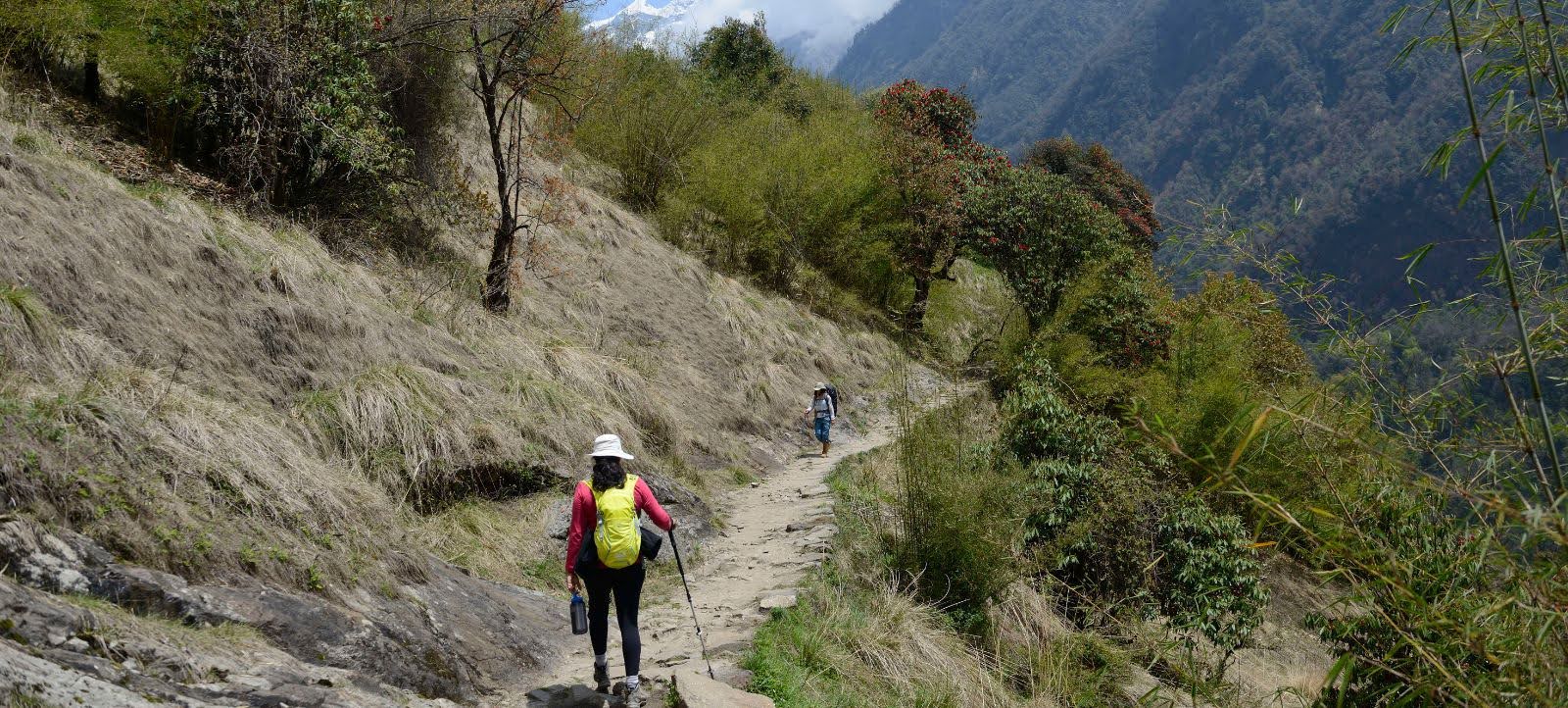
A smart trekker’s guide to choosing a safe and reliable trekking company
Written by
The mountains have a way of stripping life down to the essentials. With our years of experience in the adventure travel industry, we have seen the Himalayas transform. Once a rugged frontier for the hardcore few, it is now a dream destination for thousands. But popularity brings a flood of operators. Type trekking companies in India into Google, and you get hit with millions of results. It is overwhelming.
At Juniper Outdoor, we understand that anxiety. Choosing who guides you up a mountain is not like choosing a hotel. It is a decision about your safety, your comfort, and whether you come back with a horror story or a life-changing memory.
We are not here to just give you a list. We are here to share the insider knowledge on how to vet an operator, whether you are looking for the best trekking companies in India or planning an international expedition. Here is how we ensure safety and quality at Juniper Outdoor, and why you should expect nothing less.
Short on time? Here is the cheat sheet for choosing a safe trekking company:
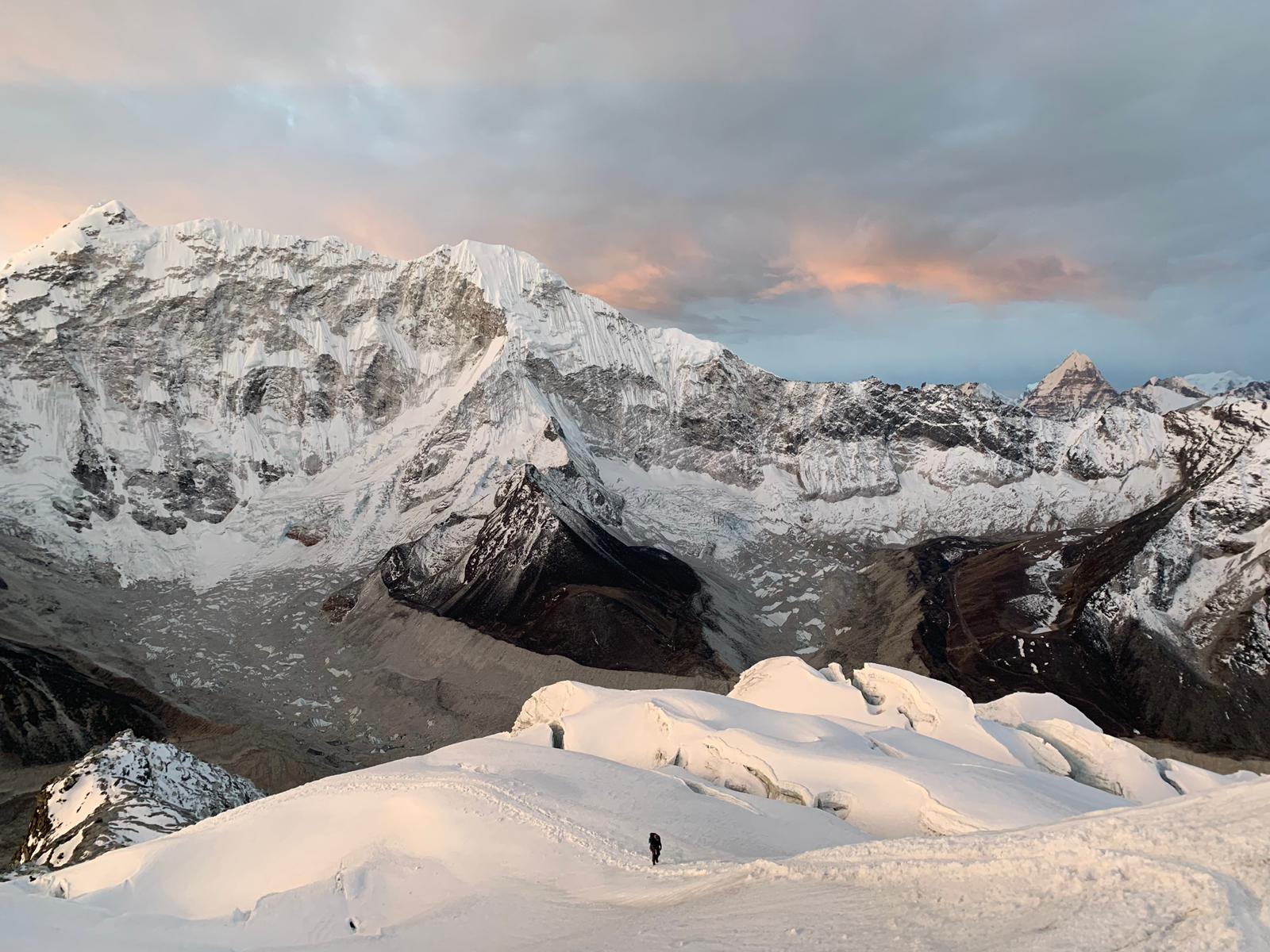
The term "best" is subjective. In the high-altitude world, "best" translates to "safest" and "most reliable." Whether you are looking at trekking companies in Delhi to handle your logistics or operators in Kathmandu, the standard of care must be high.
A legitimate adventure company acts as your safety net. At Juniper Outdoor, we do not just sell you a map. We curate the experience. The best companies have established protocols for everything. We know how food is hygienically prepared at 12,000 feet and how a sprained ankle is managed hours away from civilisation.
Plan your next safe adventure with us. Contact Juniper Outdoor today.
When you trust us with your holiday, you trust us with your well-being. Here are the standards we uphold and what you should look for before booking any trip.
Fly-by-night operators are a real risk in this industry. You must ensure the company is a registered legal entity. Look for affiliations with the Adventure Tour Operators Association of India (ATOAI) or the Indian Mountaineering Foundation (IMF). This ensures that if something goes wrong, you are dealing with a legitimate business and not a freelancer with a website.
The Himalayas are unforgiving to the unprepared. An agency might be great at organising beach tours, but they may not understand High Altitude Pulmonary Edema (HAPE).
For example, when we plan our Everest Base Camp and Gokyo Lakes Trek, we do not just book tea houses. We calculate acclimatisation days based on years of on-ground experience. You want a team that knows the terrain intimately.
This is the heartbeat of any trek. Your leader is your decision-maker. At Juniper, we prioritise leaders who are certified by recognised mountaineering institutes like NIM or HMI. They must hold valid Wilderness First Responder (WFR) certifications. A friendly guide is nice, but a competent guide saves lives.
You need to ask the hard questions. What happens if we get sick?
A professional trekking company will have a ready answer. We carry supplementary oxygen cylinders, pulse oximeters to check vitals daily, and have a clear evacuation strategy. We never leave the grid without a plan B.
High success rates are good. However, 100% success rates are suspicious. Sometimes, turning back is the right decision for safety. Look for a company that values your life over a summit selfie. Our Premium Kashmir Great Lakes Trek is designed to maximise success through proper pacing rather than rushing you up the mountain.
"Budget" treks often become expensive when you add up the hidden costs. You might face surprise permit fees, offloading charges, rental gear costs, and unhygienic food. We believe in all-inclusive transparency. You should know exactly what you are paying for before you pack your bags.
Read the reviews and look for the details. Did the reviewer mention the food quality? The equipment? The guide's behaviour? Authenticity matters.
A leaking tent at 4,000 meters is a nightmare. We invest in high-quality, all-weather tents and sleeping bags. Furthermore, group size matters. Small groups allow for personalised attention.
We love the mountains. We protect them. The best trekking companies in India strictly adhere to eco-friendly practices. We ensure we bring our waste back down. It is our home, and we keep it clean.
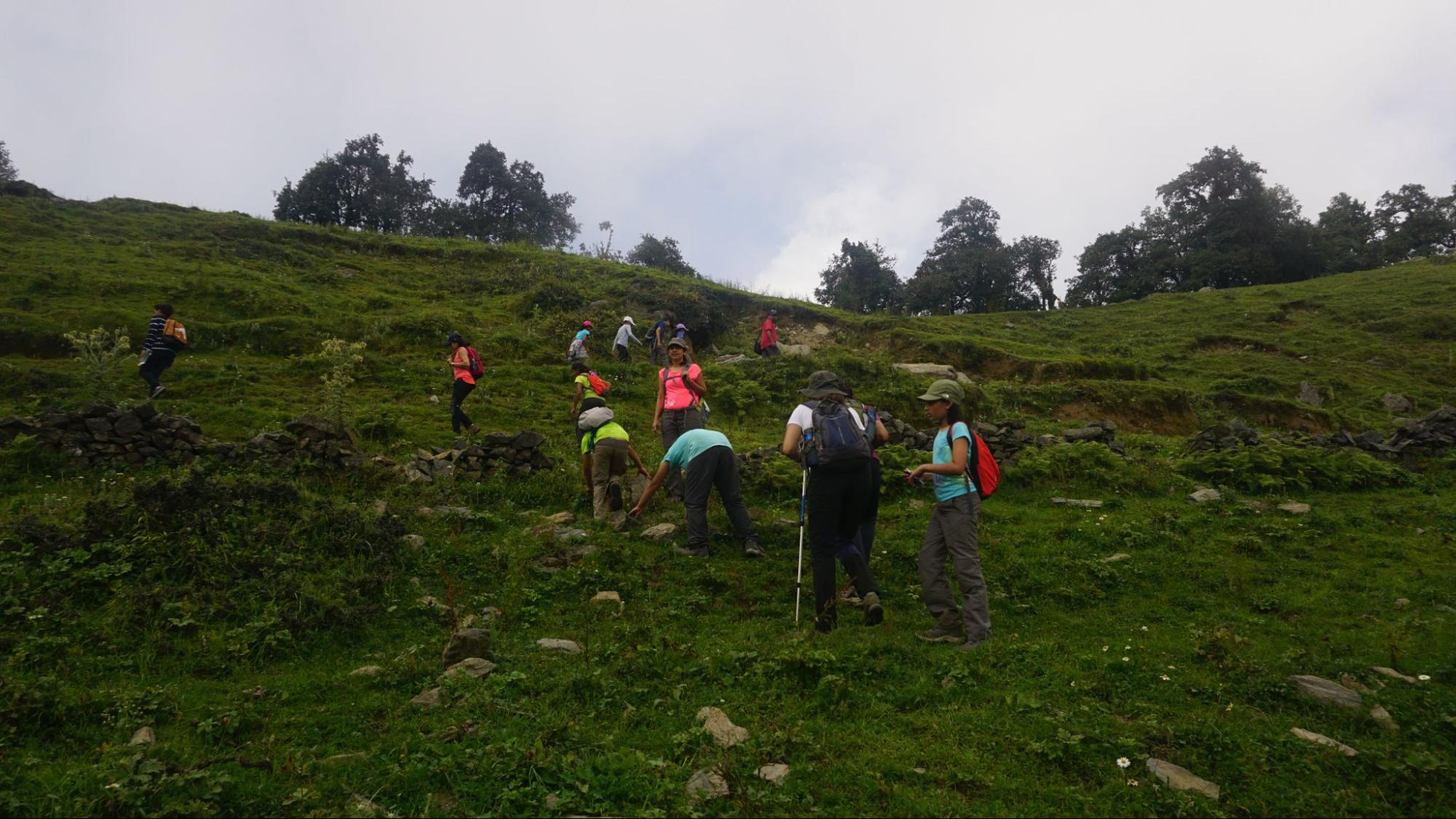
India offers diverse terrains. You can go from the arid landscapes of Ladakh to the lush valleys of Sikkim. A great company has expertise across these varied zones.
Trekking in the Northeast requires a different logistical approach than in Himachal. When we organise our Namdapha Rainforest Trek or the Sikkim Explorer, we utilise local knowledge combined with our high safety standards to navigate these remote regions.
Pro Tip: Look for companies that offer "Active Holidays" rather than just hardship treks. Sometimes you want the adventure without the suffering.
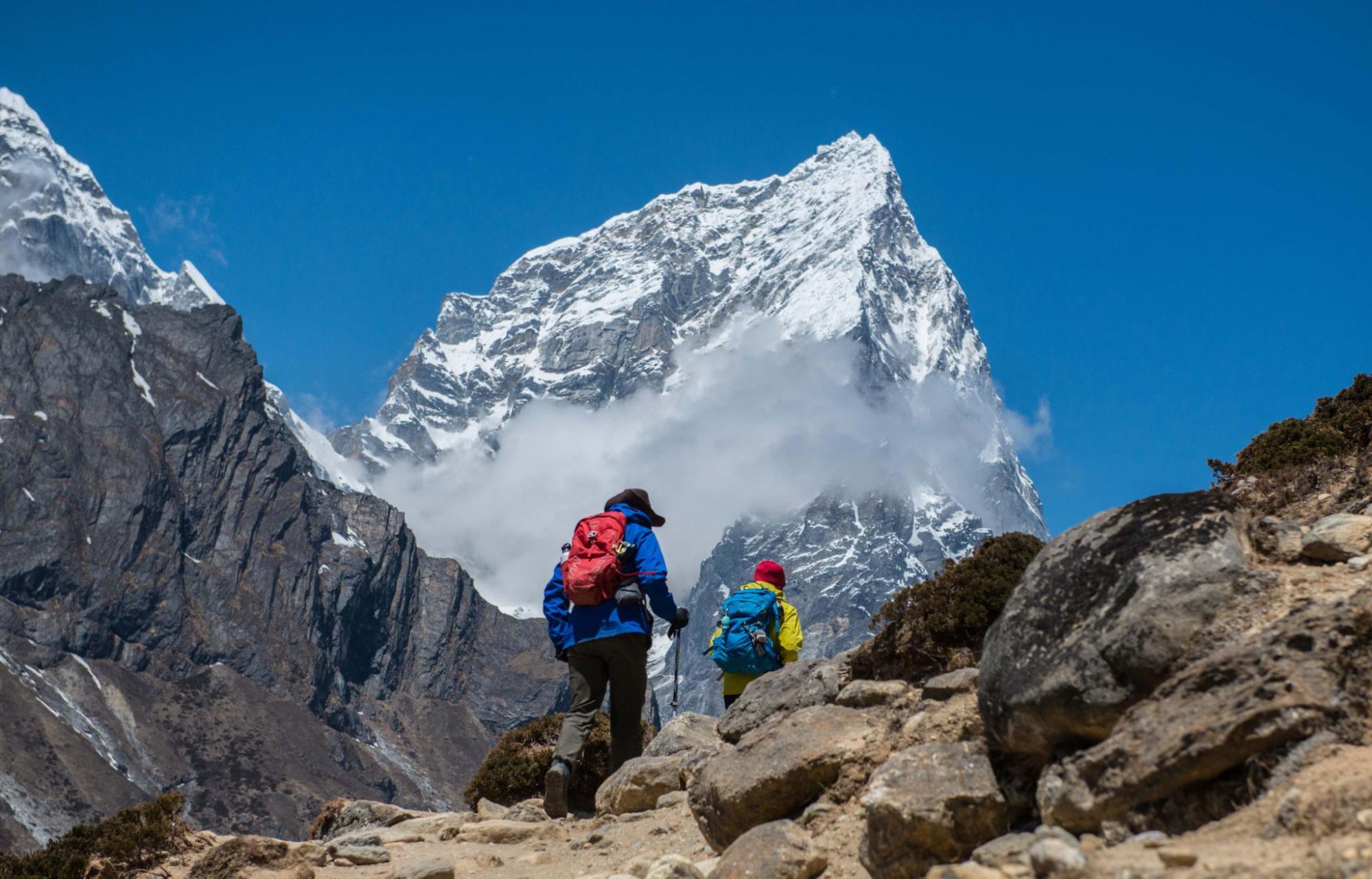
The best Everest Base Camp trekking companies operate differently from domestic ones. Since this is in Nepal, your Indian operator acts as the primary planner and liaises with trusted local Sherpa teams.
Key differences we manage for you:
We handle the complex coordination so you can focus on the Khumbu Glacier.
There is often a debate on whether to book with trekking companies in Delhi or go directly to a local operator in Manali or Leh.
Here is the reality. Delhi-based companies like us at Juniper act as the central command. We offer the comprehensive service of a premium travel agency, handling the planning, payments, flights, and insurance coordination that a small local operator might struggle with. However, we combine this with strong local teams on the ground. It is the best of both worlds. You get professional management with local expertise.
We cannot stress this enough. Do not compromise on safety to save a few rupees.
Unregistered organisers often lack:
When you book with a verified company, you are buying peace of mind.
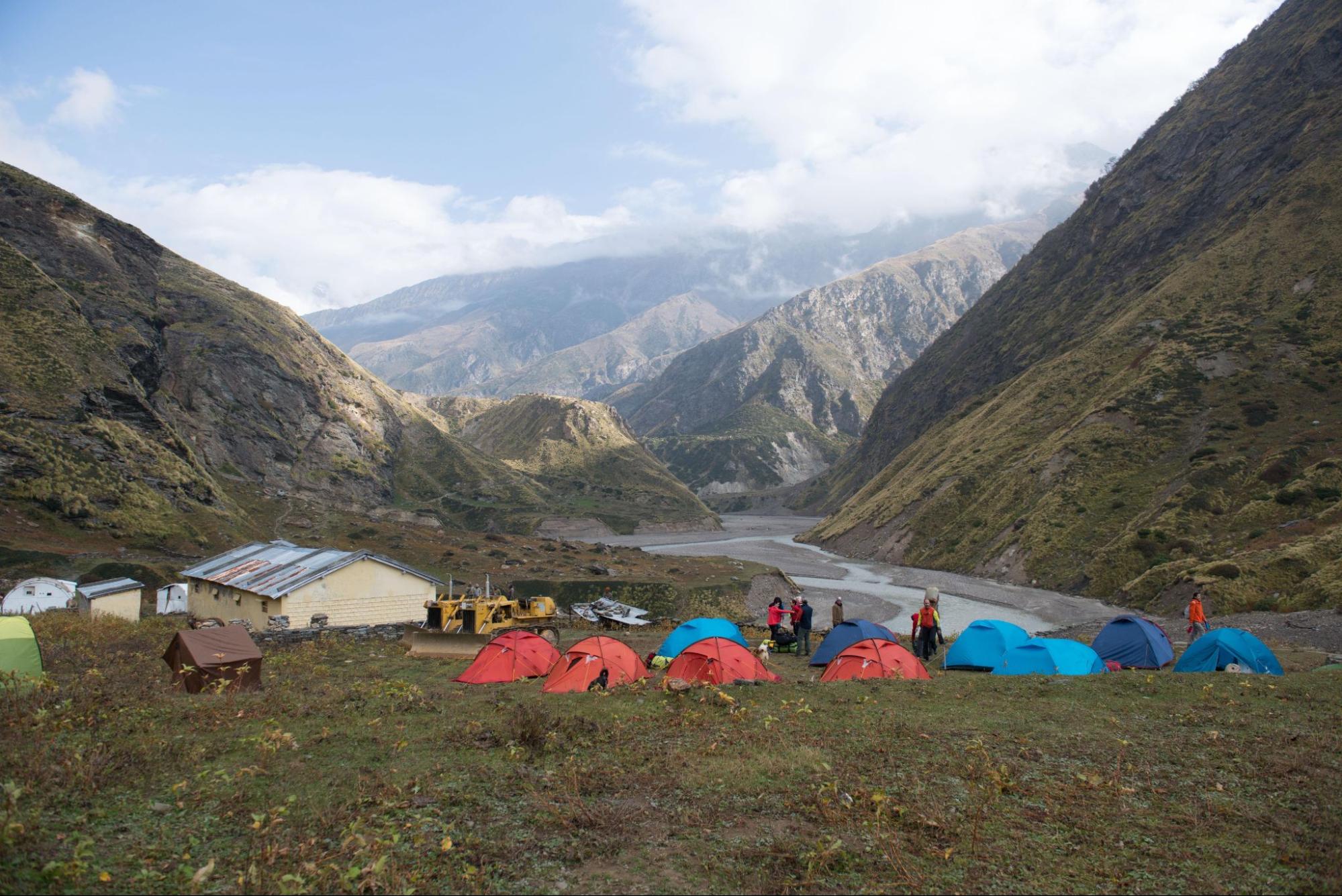
Not all treks are created equal.
If you value comfort and safety, a premium operator is the logical choice.
Ready to experience the mountains in comfort? Explore our Premium Treks here.
If you twist a knee at 14,000 feet, an ambulance isn't coming. A helicopter is. That costs lakhs. We strongly advise all our trekkers to get comprehensive insurance. We can guide you on which policies work best for specific altitudes.
Ensure your policy explicitly covers "adventure sports" or "mountaineering" up to the maximum altitude of your trek. For EBC, this is around 5,500m.
Travelling solo? You do not have to be alone. Our Community Trips are perfect for solo travellers looking to join a like-minded group.
At Juniper Outdoor, we tick every single one of these boxes. We do not just take you to the mountains. We introduce you to them safely, comfortably, and responsibly.
Have questions about your next adventure? Chat with our experts on WhatsApp!
Check if the company is registered with the Ministry of Tourism or holds membership with bodies like the Adventure Tour Operators Association of India (ATOAI). Look for a physical office address, GST registration, and transparent cancellation policies on their website.
The best company for EBC is one that prioritises acclimatisation over speed. Look for operators that use high-quality tea houses, have Sherpa connections, and carry Gamow bags or oxygen. At Juniper Outdoor, we ensure our EBC itineraries are designed for maximum safety and success.
Yes, it is often safer. Reputable Delhi-based companies act as central organisers. They ensure standardised safety, insurance compliance, and reliable payments to local staff. They bridge the gap between you and the remote logistics required in the Himalayas.
A competent trek leader should hold a Basic and Advanced Mountaineering Course certificate from institutes like NIM or HMI. Crucially, they must have a valid Wilderness First Responder (WFR) certification to handle medical emergencies in remote areas.
Absolutely. Most operators provide safety gear, but personal travel insurance covering high-altitude trekking and medical evacuation is mandatory for your financial protection. Ensure your policy covers the specific altitude you will be reaching.
A tour operator manages general sightseeing. An adventure company like Juniper Outdoor specialises in technical logistics. We handle risk management, specialised gear, and high-altitude safety protocols required for trekking and expeditions.
.avif)

.avif)

