The Kashmir Great Lakes Trek: India's Most Beautiful Walk
Everything you need to know about the Kashmir Great Lakes Trek.
Written by


Everything you need to know about the Kashmir Great Lakes Trek.
Written by
There are treks in India that require explanation and treks that do not.
The Kashmir Great Lakes Trek does not require explanation. Show anyone who has completed it a photograph from the route and the response is almost always the same: immediate recognition of something that looks too vivid to be real. The combination of high altitude lakes in shades of turquoise and cobalt, meadows of wildflowers at the base of snow-covered peaks and the particular quality of light in the Kashmir valley at 3500 to 4500 metres produces a landscape that is unlike anything else available in the subcontinent.
This is not hyperbole. Most serious Himalayan trekkers who have walked routes across Ladakh, Uttarakhand, Sikkim and Nepal tend to arrive at the same conclusion: the Kashmir Great Lakes, for sheer visual intensity across a sustained distance, is the best of them.
It is also, relative to its quality, significantly undervisited. The complex history of the Kashmir region has kept many travellers away for years, and the infrastructure for high quality trekking has developed more slowly here than in Uttarakhand or Himachal Pradesh. This combination means that a trek of genuinely extraordinary quality remains, for now, genuinely uncrowded. That will not be true indefinitely.
1. The Route
The Kashmir Great Lakes Trek covers approximately 70 to 75 kilometres over seven to nine days, depending on the specific itinerary and starting point. The most common route begins at Sonamarg, a small town approximately 80 kilometres east of Srinagar, and finishes at Naranag, an ancient temple site in the Wangath valley.
The trail passes through seven major high altitude lakes: Vishansar, Krishansar, Gadsar, Satsar, Gangabal and Nundkol, with Alpather sometimes included depending on the route variation taken. Each lake has a distinct character. Vishansar and Krishansar sit adjacent to each other at around 3800 metres and are perhaps the most photographed on the route, their combined reflection of the surrounding peaks creating the kind of image that takes experienced photographers by surprise regardless of how many times they have seen it before.
Gadsar is more remote and sits in a broader valley with a quality of openness and scale that the earlier lakes do not quite match. The Satsar lakes are a cluster of seven smaller water bodies spread across a high plateau, and the experience of walking between them in early morning light, before the wind picks up and the reflections break, is one of the genuine highlights of the trek. Gangabal, the largest lake on the route, sits directly below the north face of Mount Harmukh at 5148 metres, and the scale of the rock and ice above the water creates a final day that many trekkers describe as the most dramatically beautiful of the entire journey.
The high point of the route is the Gadsar Pass at approximately 4200 metres, and a secondary crossing over the Zajibal Pass at around 3780 metres. Neither is technically demanding for a fit trekker, but both require genuine acclimatisation and a pace that respects the altitude.
2. When to Go
The trekking season on the Kashmir Great Lakes is shorter than many travellers expect: it runs from late June through mid-September, with July and August representing the peak and August into early September arguably offering the best conditions.
Late June and early July bring snow on the higher passes and in the lake basins, creating a landscape that is spectacular in a different way from the summer version. The lakes are partially frozen, wildflowers are at their most abundant because the snowmelt has been recent, and the trail is uncrowded even by Kashmir standards. The trade-off is unpredictable weather and passes that occasionally require more care to cross safely.
July through mid-August is the most reliable period. Passes are generally clear, weather patterns are more consistent and the meadows are in full flower. This is also the most popular period, though popular in Kashmir terms is still very quiet relative to comparable routes in Uttarakhand.
Late August into September brings cooler nights, clearer skies and a shift in the quality of light that photographers consistently prefer. The flowers have faded but the meadows take on autumn tones that photograph beautifully against the blue of the lakes and the white of the peaks. Crowds, already thin, thin further. The main risk is early snowfall closing the passes in mid-September, so this window requires flexibility and local knowledge.
3. Physical Requirements
The Kashmir Great Lakes Trek is not a beginner's walk, but it is also not a mountaineering expedition. The honest description is that it is a demanding high altitude trek suitable for travellers with good fitness and some previous experience at altitude.
The daily distances range from approximately 8 to 14 kilometres depending on the stage, which sounds modest but at altitude with a pack feels considerably more significant. The cumulative elevation gain across the route is substantial, and the days that cross the high passes require both fitness and the kind of slow, steady pace that takes experience to maintain. The altitude — spending seven to nine days above 3500 metres — is the factor that most consistently catches travellers off guard, particularly those who have done significant walking at lower elevations but have limited high altitude experience.
A preparation programme of six to eight weeks that includes sustained cardiovascular exercise, particularly aerobic work at moderate intensity, produces reliable results. Trekkers who arrive having walked regularly, even on flat or moderately hilly terrain, tend to adapt to the altitude well. Trekkers who arrive without any preparation tend to struggle from day two onward and spend the most visually extraordinary sections of the route in a state of fatigue that prevents them from being fully present.
Sleep at altitude is also something to prepare for psychologically. The reduced oxygen at 3800 to 4200 metres affects sleep quality for almost everyone, and arriving at camp tired and then sleeping poorly is a cycle that compounds over a week if the body is not given adequate time to adjust.
4. What the Route Delivers
There is a rhythm to the Kashmir Great Lakes Trek that takes a day or two to settle into and that most trekkers describe as the thing they remember most clearly long after the visual details have softened.
The days begin early, with cold mornings in camp and the particular quality of mountain silence before the wind starts. The first hours of walking are often the best, when the lakes are mirror-still and the light is low and golden and the landscape has not yet been complicated by the presence of other people. Lunch is taken wherever the route offers shelter and a view, which on this trek is almost anywhere. The afternoon push to camp is where the altitude makes itself felt most directly, and arriving at a new lake basin as the sun is lowering and the light is changing is a daily reward that the route delivers with remarkable consistency.
The Gujar shepherds who move their flocks through the high meadows each summer have been following these routes for generations. The temporary camps of woven grass that they construct in the valleys, and the herds of horses and cattle that are part of the landscape of the trek, add a layer of human presence that many trekkers find unexpectedly moving. This is not a landscape that only becomes significant when trekkers pass through it. It has been inhabited and understood and valued by local communities for centuries, and the best guides bring this history into the experience of walking through it.
5. Srinagar: The Beginning and End
Any serious journey to the Kashmir Great Lakes should include time in Srinagar, both because it is a genuinely extraordinary city and because the acclimatisation it provides at 1600 metres before the trek begins makes the altitude transition significantly easier.
Srinagar sits on the Dal Lake and is perhaps the most distinctive urban landscape in India: a city built around and across water, with houseboats that have functioned as accommodation for travellers since the British colonial period and that remain one of the most singular places to stay anywhere in the country. The old city, with its wooden architecture, Mughal gardens and ancient mosques, rewards two or three days of exploration at a pace that does justice to it.
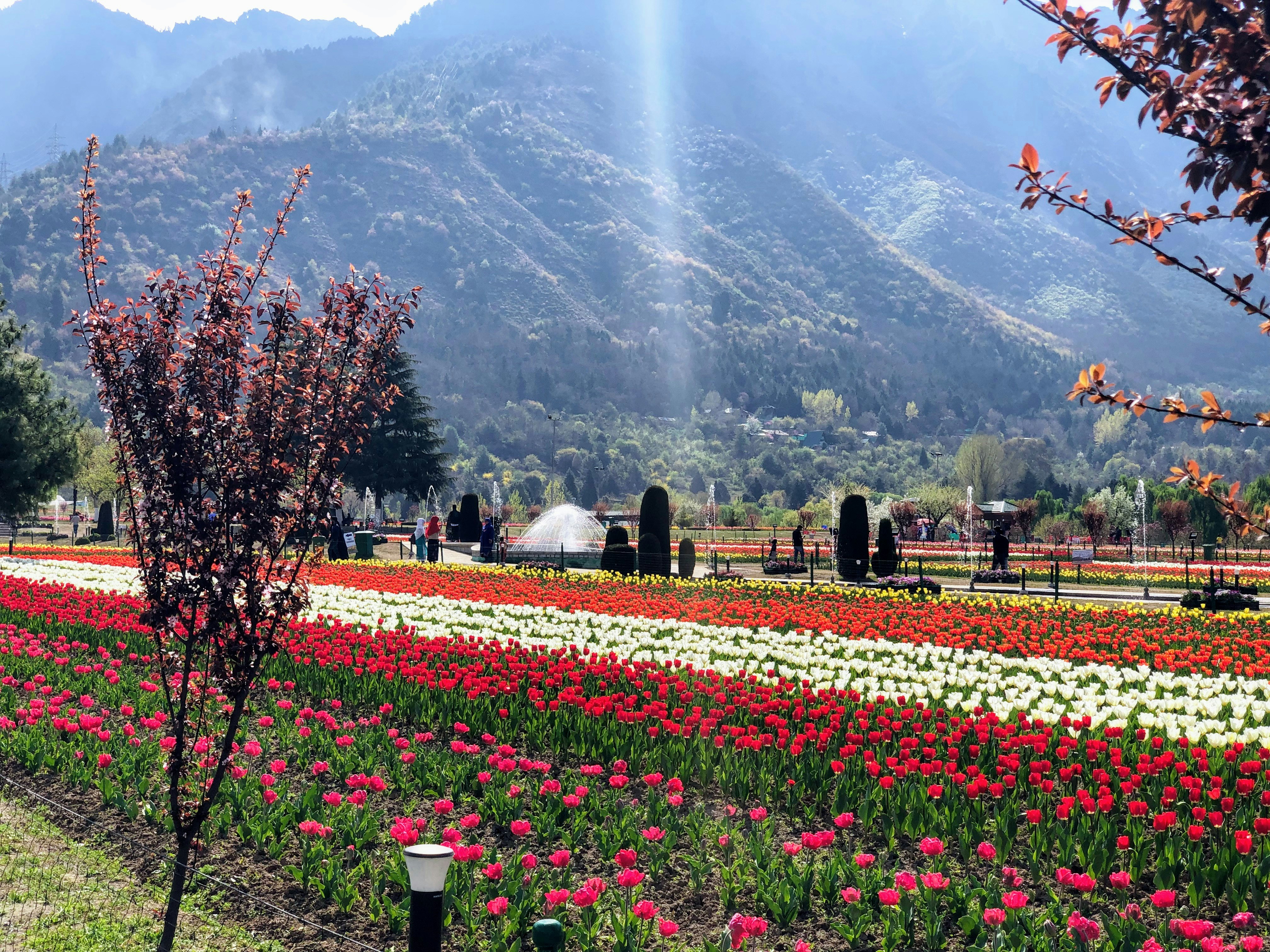
The Mughal gardens of Shalimar Bagh, Nishat Bagh and Chashme Shahi were laid out by Mughal emperors who regarded the Kashmir valley as the most beautiful place in their empire, and visiting them with some knowledge of their history transforms what might otherwise be a pleasant garden visit into something more resonant. The Dal Lake at dawn, from a shikara on the water, is an experience that recalibrates the traveller's sense of scale and beauty before they have even begun the walk.
6. Why This Trek Belongs on the Juniper Roster
At Juniper Outdoor, the Kashmir Great Lakes Trek represents something specific in our understanding of what a Himalayan journey should deliver.
It is not technically challenging in ways that require mountaineering background. It is not so remote that the logistics overwhelm the experience. It is not so popular that the crowds dilute what the landscape offers. It sits in a rare middle position: genuinely demanding enough to feel earned, genuinely beautiful enough to justify the demand and genuinely uncrowded enough to feel like a discovery rather than a repeat of an experience thousands of others are having simultaneously.
Our approach to the route is shaped by what we believe makes a trekking experience meaningful rather than merely completed. Small groups, with the flexibility to adjust pace and spend additional time at locations that the group finds particularly compelling. Leadership from guides with both technical knowledge of the route and genuine depth of knowledge about the region's culture, ecology and history. An itinerary designed with enough slack to respond to what the landscape actually offers on the specific days the group is walking through it, rather than one optimised purely for getting from start to finish on schedule.
The greatest moments on the Kashmir Great Lakes Trek — and there are several — are not the ones that appear in the photographs, though the photographs are extraordinary. They are the mornings when the mist is lifting off Vishansar and there is no one else visible in any direction. The evenings at Gangabal when the north face of Harmukh turns pink and then gold and then grey. The conversations around camp that the shared experience of a difficult and beautiful day makes possible among people who arrived as strangers.
These are the things a well designed journey creates. They are also the things that no amount of individual preparation can guarantee without the right leadership, the right group and the right approach to what the mountains actually have to offer.
Absolutely — custom and private journeys are one of our specialties. Whether it’s a milestone birthday trek, a leadership retreat, a family adventure, or a private Himalayan odyssey with close friends, we’ll co-create the itinerary with you from scratch. You can choose your preferred dates, pace, style of travel (luxury, minimalist, alpine, cultural), and add special touches like local experiences, yoga, photography, or expert-led workshops. Our team handles every detail — permits, logistics, menus, support staff — so you can just focus on the experience. Depending on the group size and region, we can also include glamping setups, private chefs, or curated stays at off-grid homestays. Whether you want to summit a pass in Sikkim or sip salt tea with nomads in Ladakh, we’ll make it happen. Reach out through the “Customized trip format section” on the website, and we’ll begin with a discovery call to design your dream journey.
Absolutely— many of our travelers come solo and end up making lifelong friendships on the trail. You don’t need to assemble a group to book with Juniper. Each trip that’s tagged under “community trip or mentor led trip”has fixed departure dates where individuals, couples, or small groups can signup and join a larger group of like-minded outdoor enthusiasts. We limit group sizes to ensure a high-quality, personalised experience. If you’d prefer a private departure for your family or friends, we can customize the trip to your pace and interests. For solo travelers, we pair you in shared twin accommodation (or offer a single supplement if you’d prefer your own room/tent). Our trips attract thoughtful, adventurous people, and the community vibe is a big part of what makes a Juniper experience special. Whether you're flying solo or bringing your tribe, we’re excited to welcome you.
Yes—acclimatization is critical for any trip above 2,700–3,000 meters, and Juniper takes it seriously. Our itineraries are intentionally designed with built-in rest or acclimatization days, gradual altitude gains, and a “climb high, sleep low”philosophy to reduce your chances of Acute Mountain Sickness (AMS). On the trail, our guides monitor everyone’s health and hydration closely. If you’re coming from sea level, we recommend arriving at the start point (like Leh orManali) at least a day in advance to rest and begin the process. For strenuous or high-altitude treks (over 4,000 m), we also offer acclimatisation extensions or prep treks. Most travellers adjust well with proper pacing, hydration, and nutrition. We provide tips and protocols in your pre-departure kit, and our team carries oxygen cylinders and first aid if needed. Your safety is our top priority—no summit is worth compromising your health.
Yes - we offer a curated selection of beginner-friendly and family-oriented trips that prioritize comfort, safety, and immersive learning. These trips typically involve shorter walking days, lower altitudes, and culturally rich experiences that engage both adults and younger travelers. We’ve guided families with kids as young as 7 and first-time trekkers in their 60s. Each trip page will indicate whether it’s suited for beginners or families. Our team provides age-appropriate gear checklists, acclimatization guidance, and pacing that suits the slowest walker. Activities like village walks, nature spotting, campsite games, or storytelling sessions around the fire make the experience more than just a trek — it becomes a memory for life. If you’re unsure which trip is best, reach out, and we’ll tailor a recommendation. Whether it’s your first step into the mountains or a way to introduce your kids to nature, we’ll make sure it’s magical.
Yes — travel insurance is mandatory in Nepal or for trips rated 4 or 5 (difficulty rating), especially those in remote or high-altitude areas. Your policy should include coverage for emergency medical evacuation, high-altitude trekking (if applicable), trip cancellation, and baggage loss or delays. While the chances of needing evacuation are rare, in the Himalayas, even minor health issues can require airlift or medical care, which is costly without coverage. We recommend policies from providers familiar with adventure travel, and we’re happy to share a list of trusted options depending on your country of residence. Please read your policy terms carefully and share your insurance details with our team before departure. For international destinations like Nepal or Bhutan, border officials may also ask for proof of insurance. Having the right protection brings peace of mind—for you and for us—so that we can focus on creating an unforgettable experience, not logistics in crisis.
Each Juniper Outdoor experience is tagged with a difficulty rating ranging from Easy to Advanced. These ratings account for altitude, terrain, duration and required endurance. On every trip page, we provide a “difficulty rating from 1 to 5” section that outlines the physical requirements. If you’re new to trekking or high-altitude travel, we recommend starting with a low-altitude journey or a short Himalayan escape that includes guided hikes with support staff. Intermediate trekkers can take on multi-day trails like those in Sikkim or Himachal that are rated 1-2 or 3. Advanced travellers can explore high passes, remote basecamps, or winter ascents that are rated 3-4 or 5. If you're unsure, reach out—we’ll evaluate your background and suggest trips that match your goals and experience. Some treks may require preparation or training, and we’re happy to support you with a personalised training plan. The goal is for you to feel confident and ready, no matter your level.
Booking with Juniper Outdoor is simple. Once you find a trip that excites you, click the "Contact Us " or “WhatsApp” button on the trip page. This will lead you to a short form that collects your contact information and preferences. Our team will then reach out to you with availability, a brief consultation if needed, and next steps. You can secure your slot by paying a deposit or full amount, after which we’ll send you a detailed pre-departure pack including packing lists, training recommendations (if applicable), and travel tips. We recommend booking at least 4 weeks in advance to secure your spot, especially for treks with limited permits or during peak season. If you're planning a private or custom departure, we’ll guide you through tailoring the experience to your group’s needs. Feel free to contact us anytime with questions before or after booking.
At high altitudes, oxygen levels drop, which means your body must work harder to perform basic functions. This adjustment period is called acclimatization, and while most people manage it well with proper pacing, some may develop Acute Mountain Sickness (AMS). Common symptoms include headache, nausea, fatigue, loss of appetite, and disturbed sleep. These usually appear above 2,700–3,000meters. Severe forms like HAPE or HACE are rare but serious. At Juniper, we build itineraries with gradual elevation gain, acclimatization days, and “climb high, sleep low” strategies. Our guides are trained to recognize symptoms early, conduct daily health checks, and respond with oxygen or descent if needed. Hydration, rest, and avoiding alcohol help prevent AMS. We’ll also advise you on preventive medication like Diamox, if applicable. You don’t need to fear altitude—but respecting it, preparing for it, and being honest about your symptoms are essential for a safe and enjoyable trek.
Preparation depends on your trip’s difficulty, but as a rule, cardiovascular fitness, stamina, and leg strength are key. We recommend you start training at least 4–6 weeks in advance with regular walks, jogs, stair climbing, or hikes with a loaded backpack. Add some strength training for your core and lower body. Consistency matters more than intensity. For moderate or advanced treks, aerobic exercises like cycling, swimming, or running 3–4 times a week are ideal. If your trip involves altitude, building endurance over long, slow sessions will help simulate trail effort. You don’t need to be an athlete, but being well-prepared means you’ll enjoy the journey, not just survive it. We share Juniper Outdoor - training guidelines and sample routines in your pre-departure materials. If you’d like, our team can even create a personalized plan. Remember: the fitter you are, the freer you’ll feel in the mountains.
The Kashmir Great Lakes Trek is known for its stunning beauty, with pristine alpine lakes, meadows, and snow-covered peaks. The trek offers a peaceful environment, untouched by the usual crowd, and is a perfect blend of adventure and nature. The experience of camping near these crystal-clear lakes and the scenic views make it a memorable journey
Juniper Outdoor expeditions are supported by an experienced and well-equipped logistical crew — ensuring that each traveler experiences comfort and safety while maintaining respect for the wilderness. Every trek includes high-quality tents, sleeping mats, and dining shelters, along with personal duffel carriage (up to 15 kg) handled by trained porters or yaks. Camps are organized with separate toilet and dining tents, maintained with utmost cleanliness and discretion. Each morning begins with a briefing led by the Trip Leader, and each evening closes with a debrief, maintaining structure and open communication. For remote locations, a radio or satellite phone ensures constant contact with the operations base. In parallel, our environmental and cultural protocols are uncompromising. We strictly adhere to Leave No Trace principles, ensuring that every campsite is left cleaner than we found it. We never litter, pick plants, or disturb local wildlife. Guests are asked to dress modestly in and around monasteries, villages, and cultural spaces, and to maintain silence or respectful quiet at sacred sites. Music and loud conversation are discouraged in rural communities. We also encourage guests to support local economies by purchasing small crafts, teas, or produce directly from villagers — authentic exchanges that sustain these communities. Each participant shares responsibility for this ethos. Guests are expected to follow leader instructions, report any health issues immediately, carry a small waste bag, and respect group timings to ensure harmony. Team spirit, patience, and cultural sensitivity form the invisible code of Juniper journeys. Every trekker becomes a custodian of the environment, a respectful visitor of local traditions, and a valued member of the Juniper family. Through this collective effort, we preserve what we love — the pristine silence, sacred heritage, and mountain spirit that make the Himalayas timeless.
.avif)

.avif)

