Hiking vs Trekking – What's the Difference Between a Hike and a Trek?
Hiking vs Trekking: Understanding the Key Differences
Written by


Hiking vs Trekking: Understanding the Key Differences
Written by
Just imagine, you're standing at a mountain viewpoint after hours of walking, breathing in the crisp Himalayan air while peaks like Langtang Lirung stretch endlessly before you. But here's the question that countless adventurers ask us: "Was that a hike or a trek?" While many people use these terms interchangeably, understanding the difference between trekking and hiking can transform how you approach your next outdoor adventure.
At Juniper, with our heritage dating back to when Captain MS Kohli led the historic first ascent of Mount Everest, we've guided thousands through both day hikes and multi-week expeditions across the Himalayas. Whether you're dreaming of afternoon walks through local trails or life-changing journeys like our premium Kashmir Great Lakes Trek, we're here to help you choose the perfect adventure that matches your aspirations and abilities.
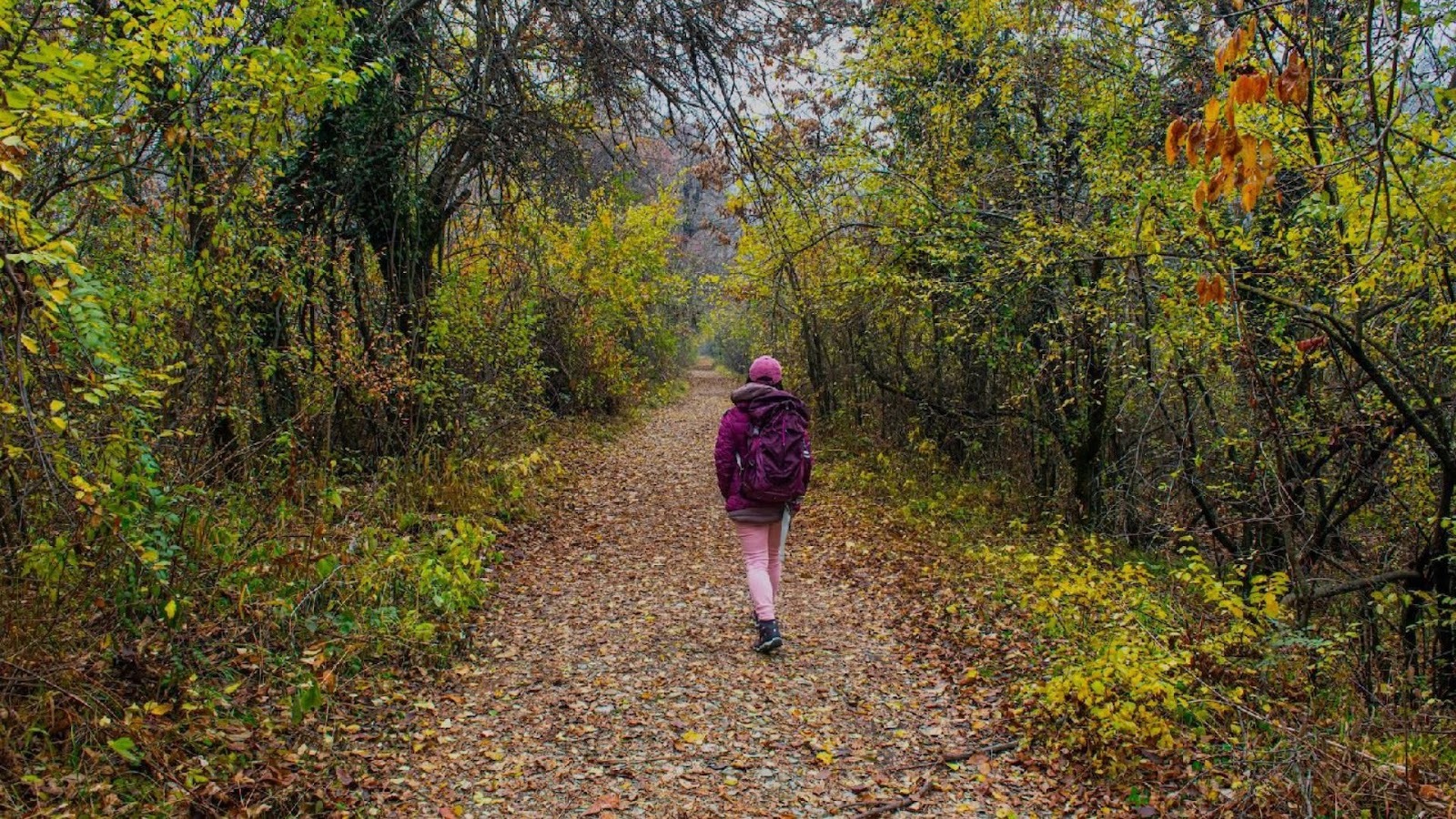
Let's start simple. Hiking is basically walking, but in beautiful places. Think of it as your weekend escape – you lace up your shoes in the morning, hit a trail, and you're back home in time for dinner.
Here's what makes hiking so appealing: it's spontaneous. You can literally wake up on a Saturday, check the weather, and decide, "You know what? I'm going to explore that trail I've been seeing on all the hiking apps." Most hiking trails are well-marked (thank goodness!), have decent signage, and won't require you to navigate like you're on some survival reality show.
The best part? You don't need to be super fit to start hiking. Sure, some trails will have you huffing and puffing, but there are plenty of gentle paths perfect for building your confidence. And here's something we love about hiking – it's the perfect way to test if you've got the outdoor bug before committing to something more intense.

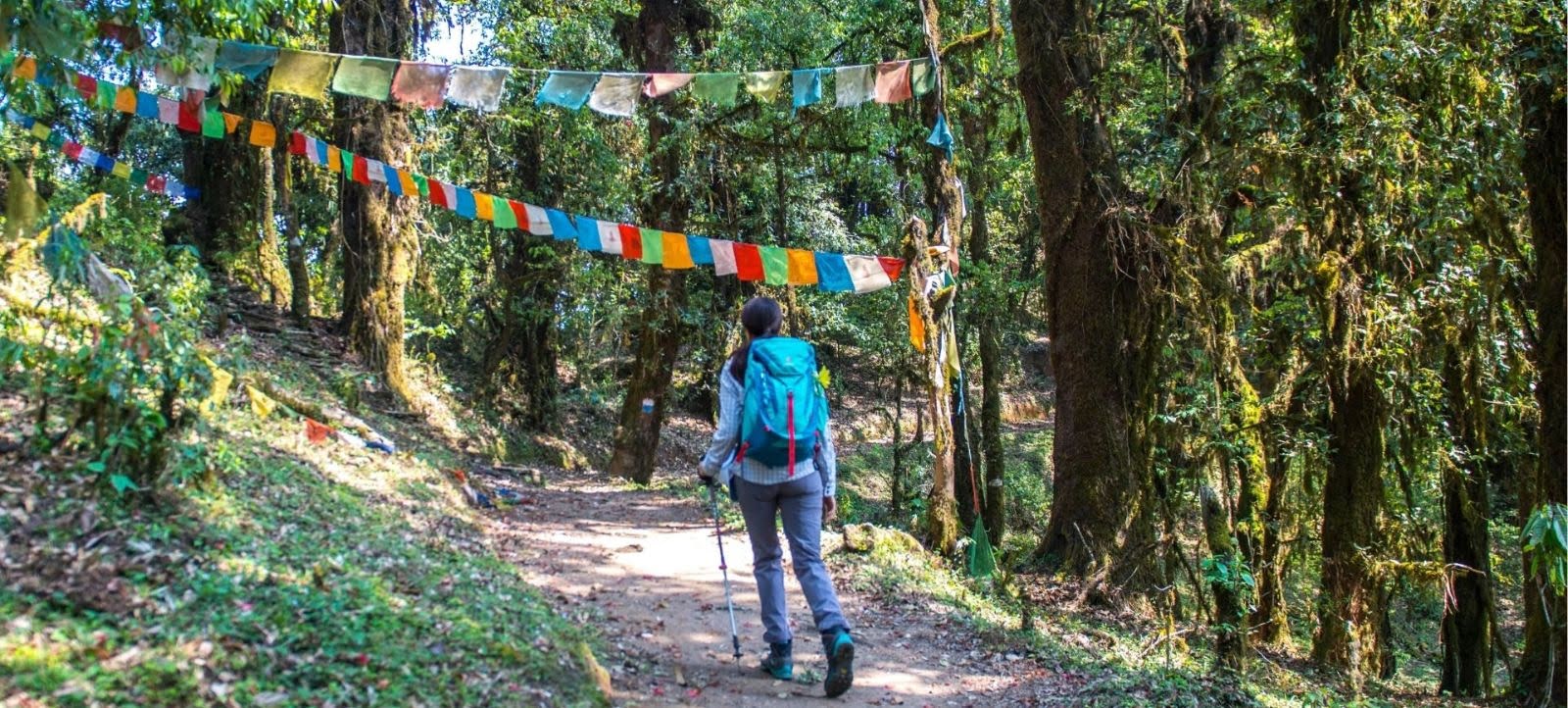
Trekking represents something altogether more immersive – a journey that typically spans multiple days and takes you deep into remote, often unmarked terrain. Understanding what trekking means, recognising it as a transformative expeditions that blend physical challenge with profound cultural immersion and wilderness exploration.
Unlike hiking, trekking usually demands overnight stays in mountain lodges, camps, or local accommodations scattered along ancient routes. The terrain often challenges you with higher altitudes, river crossings, and varied landscapes that test both endurance and mental resilience. Our Langtang Valley trek perfectly exemplifies this – a multi-day journey through pristine alpine valleys where you'll sip morning tea while watching sunlight paint towering peaks in golden hues.
This trekking and hiking difference becomes evident when you consider the comprehensive planning, permits, and support systems we provide for such adventures. It's not just about the destination; it's about the transformative journey itself.
Hiking typically ranges from 2-8 hours and generally covers 5-20 kilometres in a single day (though distances vary significantly by terrain and region). You start in the morning, enjoy your outdoor experience, and return home the same evening with memories and perhaps some stunning photos.
Trekking usually extends from 2-3 days to several weeks, covering anywhere from 50-200+ kilometres over the entire journey. Multi-day adventures like our Everest Base Camp and Gokyo Lakes Trek require careful daily distance planning to allow for proper acclimatisation, cultural experiences, and those magical sunrise moments that make Himalayan trekking unforgettable.

Hiking trails are your friends – they're usually well-maintained, clearly marked, and accessible. You can often drive right to the trailhead, which makes them perfect for weekend warriors or families with kids.
Trekking routes? Well, that's where adventure really begins. You might find yourself crossing suspension bridges over roaring rivers, navigating unmarked mountain passes, or following ancient trade routes that have existed for centuries. Our Uttarakhand trekking experiences showcase this beautifully – from gentle forest walks that ease you into mountain life to high-altitude challenges that'll test even experienced adventurers.
The difference between a hike and a trek becomes really obvious when you're miles from the nearest road, surrounded by wilderness, and realise your phone has zero bars (which might be the best part!).
Let's be honest about this one. Hiking welcomes everyone – from families with young kids to seasoned outdoor enthusiasts. You can start with easy trails and gradually work your way up. Most people can handle hiking with basic fitness and a positive attitude.
Trekking demands more from you. We're talking months of preparation, building endurance, and getting your body ready for consecutive days of walking while carrying everything you need. Our comprehensive guide on preparing for a trek in the Himalayas isn't just about physical training – it's about preparing mentally for challenges that'll push you in the best possible way.
But here's the thing about hike vs trek difficulty – it's not just about being tough. It's about being ready for an experience that'll change how you see yourself and what you're capable of.
Hiking keeps things simple. You start from a parking lot, you end at a parking lot, and you sleep in your own bed that night. If you need a bathroom or want to buy a snack, you're usually not too far from civilisation.
Trekking is where our "Fire & Ice" philosophy really shines. Yes, you might be camping under stars or staying in basic mountain lodges, but we make sure you're comfortable and safe throughout your journey. You'll experience the thrill of wild places while knowing you've got support when you need it.
Both will do amazing things for your body and soul, but in different ways.
Hiking benefits are immediate and accessible. You'll boost your cardiovascular health, clear your head from daily stress, and reconnect with nature – all while fitting into a busy schedule. It's like a reset button for your week.
Trekking benefits go deeper. Sure, you'll get incredibly fit, but you'll also discover mental strength you didn't know you had. You'll meet people from different cultures, gain perspective on what really matters, and come home with stories that'll inspire your friends for years. Our expedition-style trekking routines prepare people for these transformative experiences.
There's something magical about sitting around a campfire at altitude, sharing meals with fellow adventurers, and realising you've just walked through landscapes most people only see in documentaries.
Ask yourself: what kind of adventure is calling to you right now?
Go hiking if you want to dip your toes into outdoor adventure, have limited time, enjoy spontaneous weekend plans, or want to build your confidence gradually. Our active holiday experiences are perfect for this – you get authentic outdoor experiences with comfortable accommodations and flexible schedules.
Choose trekking if you're ready for transformation, have time to prepare properly, want to challenge yourself in new ways, or dream of accessing remote places few people ever see. Our community treks are fantastic for first-time trekkers – you'll be with like-minded adventurers and expert guides who've been there, done that.
Here's what we've learned after decades in the mountains: the right adventure is the one that excites you and scares you just a little bit. That sweet spot between comfortable and challenging is where the magic happens.
At Juniper, we don't just organise trips – we craft experiences that match your dreams with your capabilities, ensuring every adventure is both challenging and achievable.
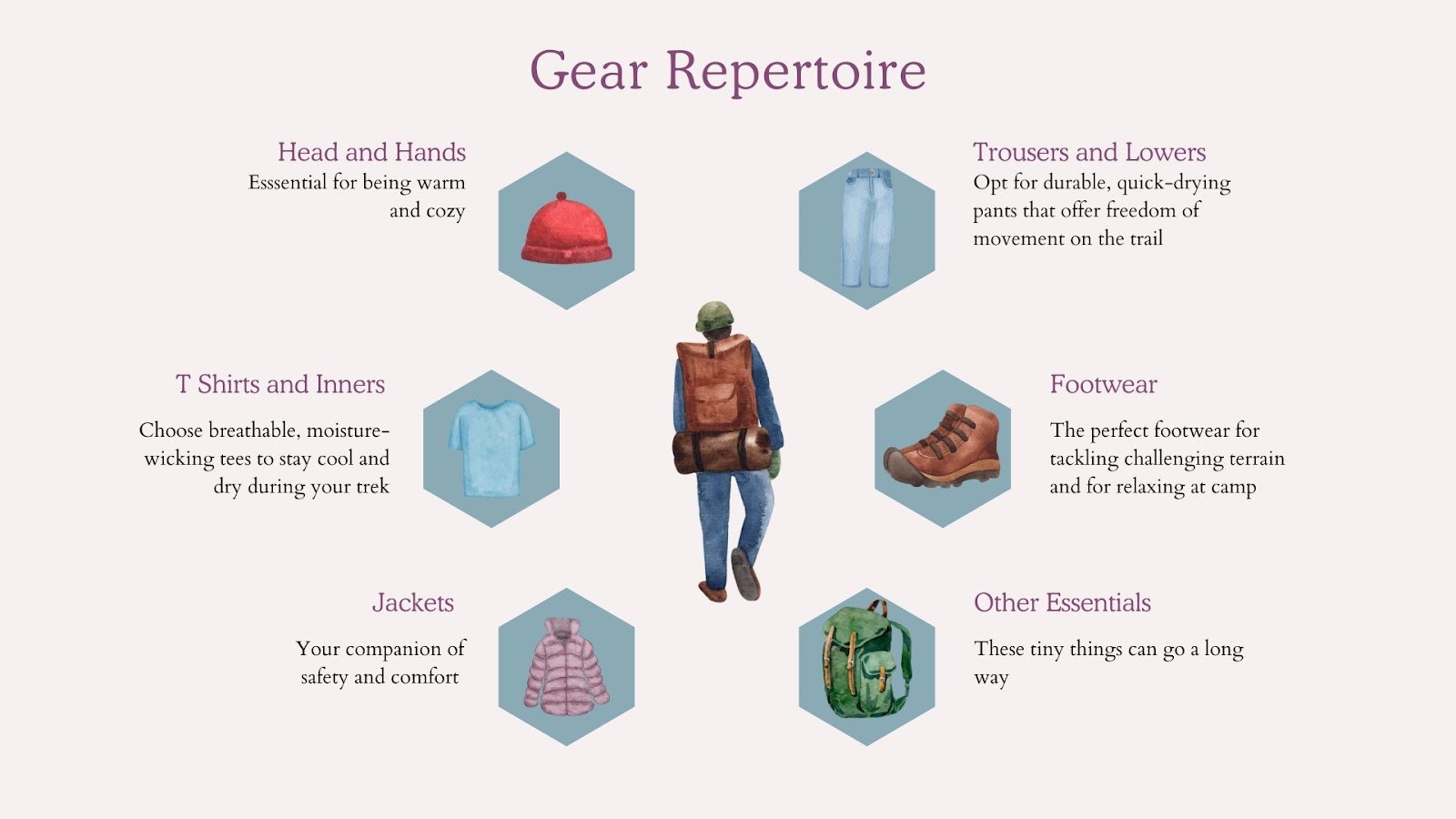
For hiking gear, think lightweight and practical. You'll need a comfortable day pack (20-30 litres), good hiking shoes (they don't have to be expensive, just comfortable!), layers for changing weather, plenty of water, some energy snacks, basic first aid supplies, and something for navigation – even if it's just your phone with offline maps.
The key is starting with what you have and upgrading as you go. That expensive gear can wait until you know you love being outdoors.
Trekking equipment generally requires specialised gear, including multi-day backpacks (40-70 litres), properly fitted trekking boots, sleeping bags rated for expected temperatures, trekking poles for stability and joint protection, comprehensive first aid kits, emergency communication devices, and high-altitude clothing systems.
While the investment is significant, quality gear becomes essential for safety and comfort during extended wilderness journeys. Our expert team provides detailed gear lists tailored to your specific adventure, ensuring you're prepared without over-packing.
Equipment needs vary dramatically by region, season, and altitude. We handle gear recommendations and even rental options for major expeditions.
The world is full of incredible places to explore!
Popular hiking destinations include classics like the beautiful day hikes in places like Himachal Pradesh and Uttarakhand. These places offer well-maintained trails, clear routes, and that perfect introduction to mountain magic.
Premier trekking routes are where dreams live. The Himalayas obviously steal our hearts – Everest Base Camp, Annapurna Circuit, and our beloved Kashmir Great Lakes.
Our Kashmir adventures and Nepal expeditions showcase what makes these destinations special – it's not just the scenery (though that's incredible). It's the people you meet, the stories you hear, and the way these places change how you see the world.
Whether you choose hiking or trekking, the most important step is beginning your outdoor journey safely and with expert guidance. At Juniper, we're here to support every stage of your adventure – from day hikes that build confidence to expedition treks that transform lives.
Our decades of Himalayan expertise mean we handle every detail, from permits and cultural introductions to safety protocols and those perfect photo opportunities that capture your journey.
Contact Juniper to discuss your outdoor dreams and discover which adventure path will create your most meaningful memories.
The primary difference between trekking and hiking typically lies in duration, remoteness, and cultural immersion. Hiking usually involves day trips on established trails, while trekking generally encompasses multi-day journeys through remote terrain requiring overnight accommodations, cultural experiences, and comprehensive preparation.
Generally, yes, trekking presents greater physical, logistical, and mental challenges. While day hikes can usually be completed by most fitness levels, trekking typically requires endurance training, altitude preparation, and psychological resilience for extended wilderness exposure. However, the rewards – cultural immersion, personal transformation, and spectacular scenery – often exceed the challenges.
Absolutely! Beginners can progress to trekking with proper preparation and professional guidance. Start with day hikes to build fitness and confidence, then consider shorter treks with expert support. Our mentor-led adventures and beginner-friendly routes like the Langtang Valley provide perfect introductions to multi-day trekking.
Popular beginner-friendly hiking destinations typically include national park day trails, coastal walks, forest paths, and local mountain day hikes. These locations usually offer established trails, clear signage, and manageable distances perfect for building outdoor confidence.
Both offer excellent fitness benefits, but serve different purposes. Hiking benefits include accessible cardiovascular improvement and stress reduction that fits busy schedules. Trekking benefits provide more comprehensive physical conditioning plus mental resilience training through extended challenges.
Trekking preparation typically involves aerobic conditioning (targeting one hour, four times weekly for 2+ months), strength training focusing on leg and core muscles, and mental preparation for challenging conditions. Individual requirements vary greatly based on personal health, experience, and destination. Our trekking preparation guide provides comprehensive conditioning strategies.
Hiking rarely requires permits except in restricted areas, while trekking often involves permit requirements, especially for high-altitude or protected regions. Requirements vary significantly by location and are subject to change. At Juniper, we handle all permit arrangements, ensuring legal compliance and seamless logistics for your adventure.
Hiking typically suits families better due to shorter duration, predictable schedules, and accessible locations. However, families with older children and good fitness can enjoy shorter trekking adventures with proper planning and professional support. We specialise in family-friendly outdoor experiences tailored to different ages and capabilities.
.avif)

.avif)

