Best Time for Annapurna Circuit: Weather and Seasonal Considerations
Best time for the Annapurna Circuit: weather and seasonal insights
Written by
.png)
<script type="application/ld+json">
{
"@context": "https://schema.org",
"@type": "FAQPage",
"mainEntity": [{
"@type": "Question",
"name": "Can I trek the Annapurna Circuit in winter?",
"acceptedAnswer": {
"@type": "Answer",
"text": "Yes, with proper planning. Lower sections remain accessible with stunning views, though Thorong La Pass often becomes challenging. We arrange modified winter itineraries exploring accessible areas while ensuring your safety and comfort through heated lodges and appropriate gear."
}
},{
"@type": "Question",
"name": "Is monsoon trekking in Annapurna really possible?",
"acceptedAnswer": {
"@type": "Answer",
"text": "Absolutely. Rain shadow areas like Upper Mustang and parts of Manang receive minimal rainfall. We've perfected monsoon trekking with waterproof gear, flexible itineraries, and local knowledge of dry pockets. You'll enjoy lush landscapes and authentic village life without crowds."
}
},{
"@type": "Question",
"name": "Which is better for beginners – spring or autumn?",
"acceptedAnswer": {
"@type": "Answer",
"text": "Both work well for beginners. Spring offers warmer temperatures and blooming trails, while autumn provides clearer mountain views and more stable weather patterns. We tailor your trek difficulty and support level based on your fitness and chosen season."
}
},{
"@type": "Question",
"name": "How far in advance should I book for peak season?",
"acceptedAnswer": {
"@type": "Answer",
"text": "For luxury trekking during peak seasons (April-May, October-November), book 4-6 months ahead depending on group size and specific requirements. This ensures premium lodge availability and allows proper preparation time. We handle all permits and logistics once you confirm."
}
},{
"@type": "Question",
"name": "Does Juniper provide seasonal gear?",
"acceptedAnswer": {
"@type": "Answer",
"text": "Yes, we provide comprehensive gear lists and arrange high-quality rentals suited to your season. From winter sleeping bags to monsoon protection, we ensure proper equipment. Our pre-trek briefings cover everything you need for seasonal conditions."
}
},{
"@type": "Question",
"name": "What if the weather forces itinerary changes?",
"acceptedAnswer": {
"@type": "Answer",
"text": "Weather flexibility is built into every Juniper itinerary. We maintain alternative accommodation options, can arrange helicopter support when needed, and our guides excel at creating memorable experiences regardless of conditions. Your safety and enjoyment guide every decision we make."
}
}]
}
</script>

.jpg)
Best time for the Annapurna Circuit: weather and seasonal insights
Written by
Planning your Annapurna adventure? You're not alone in wondering when to pack your boots and head to Nepal. After years of organising luxury trekking experiences in the Himalayas, we at Juniper understand that timing can make or break your trek. Whether you're eyeing the classic Annapurna Circuit or dreaming of reaching Annapurna Base Camp, choosing the right season is crucial for an unforgettable journey.
The Himalayas have their own rules. Weather patterns, trail conditions, and mountain visibility all depend on when you visit. We've guided clients through every season and seen firsthand how proper timing transforms the trekking experience.
Your trek timing affects everything from gear requirements to lodge availability. When you book our luxury trekking holidays, we ensure premium accommodations and services align with your chosen season, making seasonal planning even more critical.
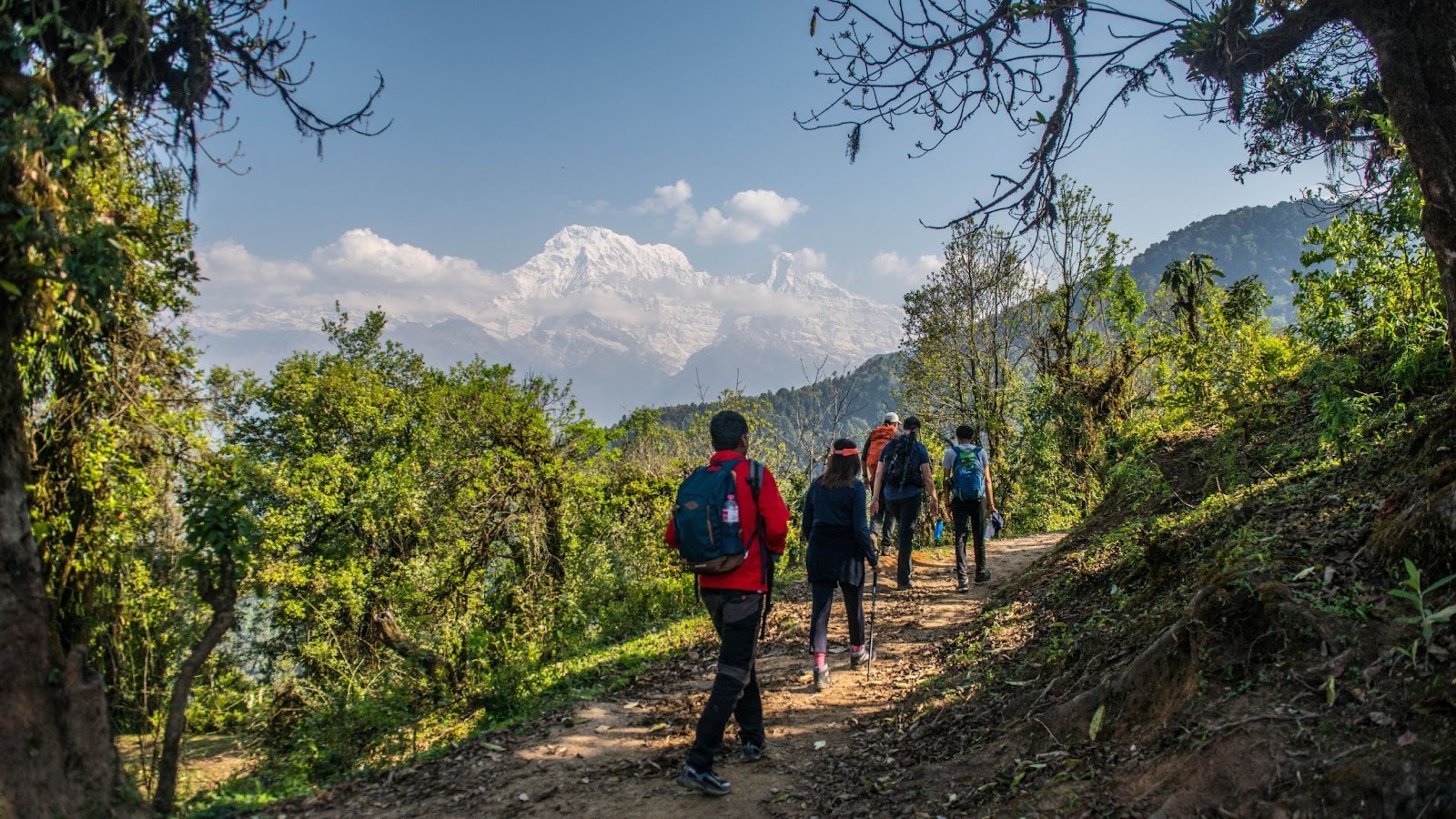
The Annapurna Circuit trek remains one of Nepal's crown jewels, and for good reason. This 160-230 kilometre journey takes you through diverse landscapes, from subtropical valleys to high-altitude deserts. But when should you tackle this epic adventure?
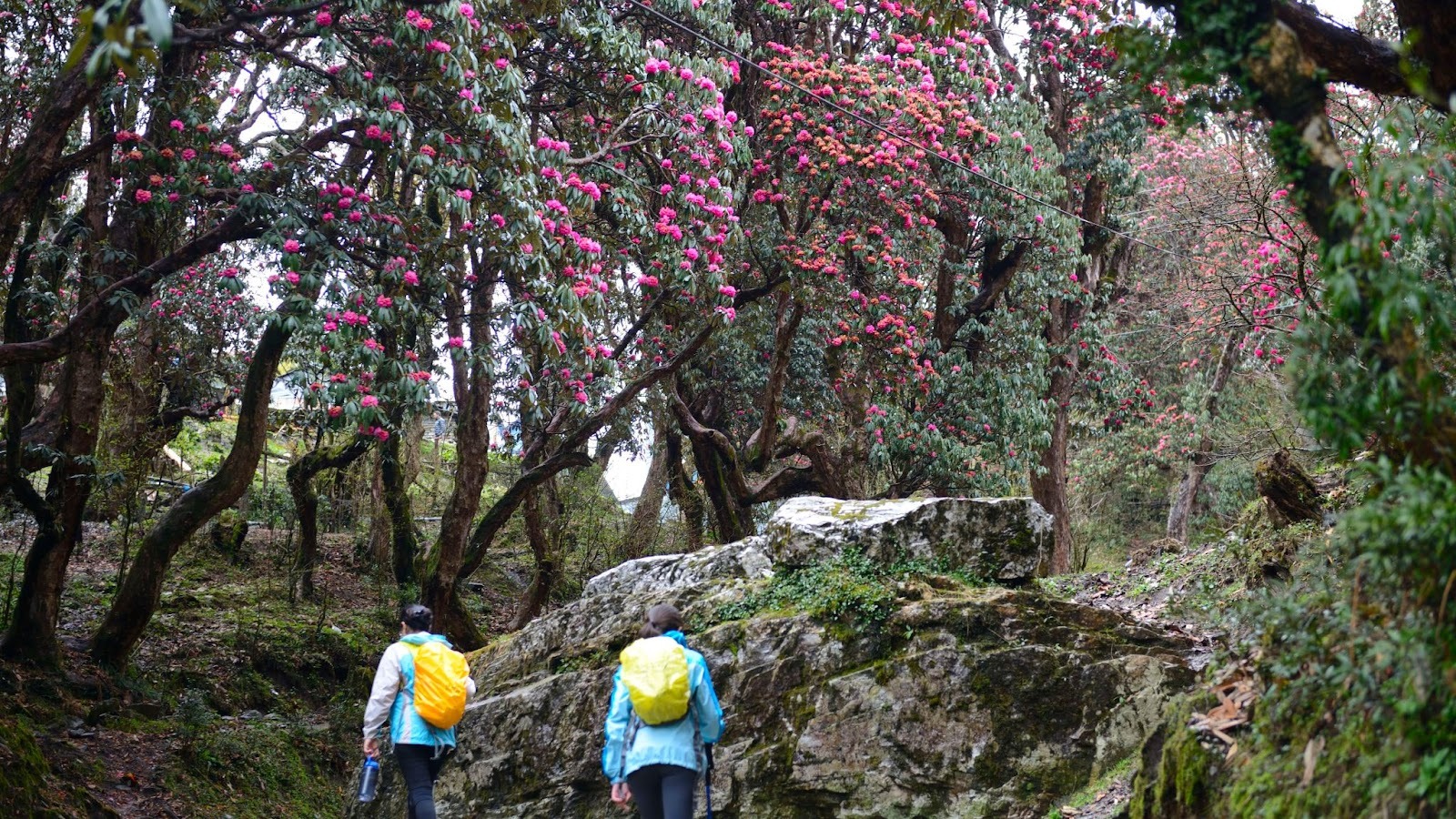
Spring brings the Himalayas to life. Rhododendron forests bloom in vibrant reds and pinks, while temperatures become comfortable for trekking. March through May offers stable weather, with daytime temperatures around 10-20°C at lower elevations (though these can vary year to year). Early spring typically offers clearer skies, while May can bring afternoon clouds.
We coordinate spring treks to coincide with village festivals and peak rhododendron blooms. Similar to our Rhododendron Trail experiences, we know exactly when and where to find nature's best displays. Our local partnerships ensure you experience authentic cultural celebrations alongside your mountain adventure.
Many seasoned Himalayan trekkers prefer autumn for the Annapurna Circuit, and there's good reason for this. Post-monsoon skies offer exceptional mountain views, with visibility often extending for hundreds of kilometres. The weather remains stable, making it ideal for crossing the challenging Thorong La Pass at 5,416 meters.
We time our autumn treks to coincide with Nepal's major festivals. Dashain and Tihar (typically falling in October-November) bring villages to life with celebrations. Our team ensures you're welcomed into these festivities, creating authentic cultural connections beyond typical tourist experiences. With moderate temperatures (approximately 15-20°C at lower altitudes), daytime hiking stays comfortable, though we provide warm gear for chilly mornings and high-altitude sections.
Summer monsoon season often gets overlooked, but it has its charms. Yes, you'll encounter rain in the lower regions, but the Annapurna Circuit extends into the rain shadow areas beyond Manang. These regions receive minimal precipitation, making parts of the trek quite feasible.
The trails are quieter, lodges offer better rates, and the landscapes turn impossibly green. However, we only recommend this season for experienced trekkers comfortable with challenging conditions. Leeches in lower forests, slippery trails, and potential flight delays require flexibility and good humour. Our team provides comprehensive rain gear and adjusts itineraries to maximise dry trekking hours during this season.
Winter transforms the Annapurna region into a pristine wonderland. Snow blankets the peaks, and crisp air provides unparalleled mountain views. However, crossing Thorong La Pass becomes significantly more challenging and may occasionally be impossible due to heavy snowfall.
Temperatures can drop to -15°C or lower at higher elevations (these are approximate and vary by location and year). We've successfully guided winter expeditions with proper preparation and flexible itineraries. Our team monitors conditions daily and adjusts routes accordingly. The reward? Having these magnificent trails largely to yourself while experiencing the mountains at their most dramatic.
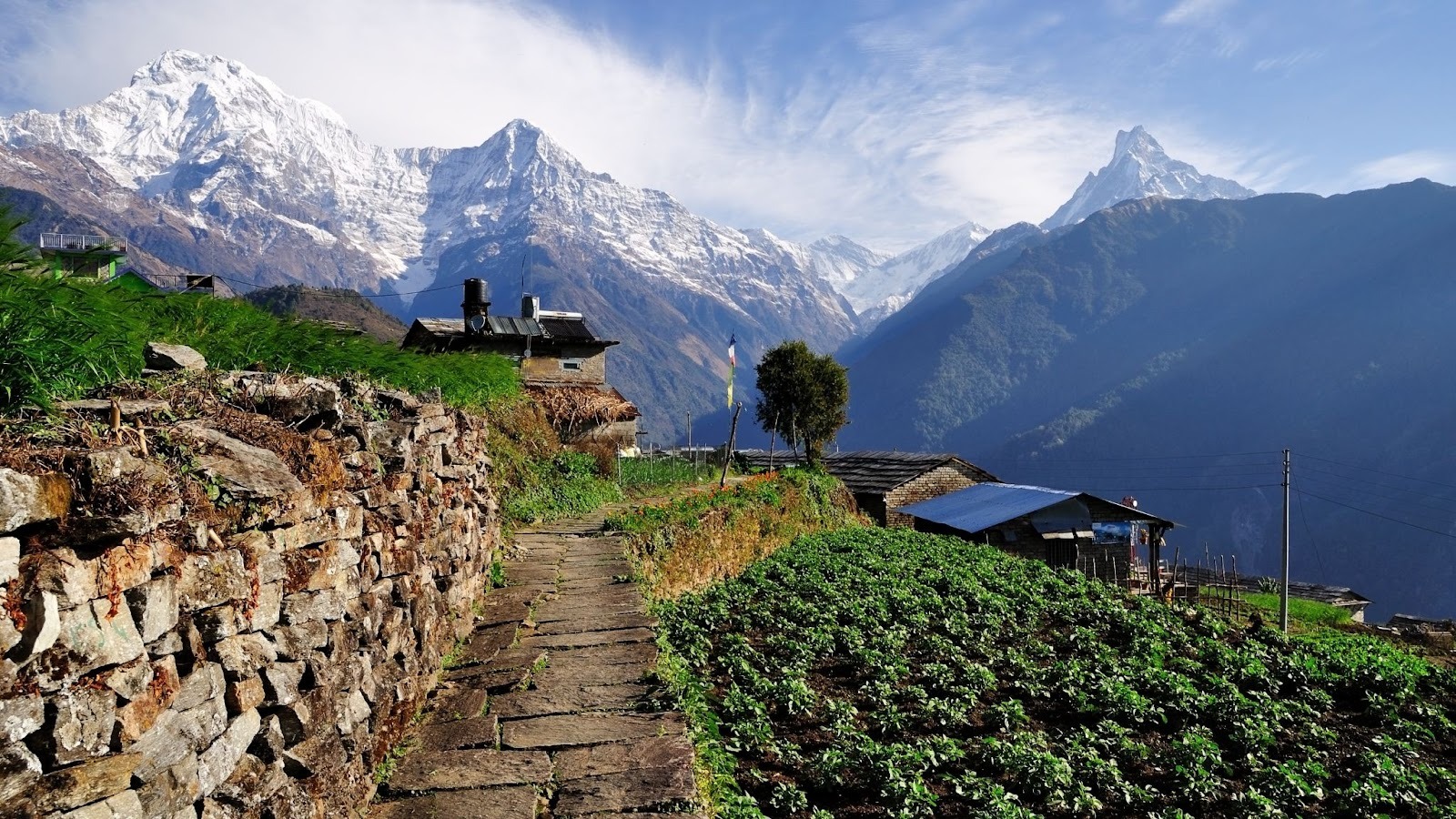
The Annapurna Base Camp trek offers a different experience from the Circuit, penetrating deep into the Annapurna Sanctuary. This natural amphitheatre surrounded by towering peaks creates its own weather patterns, making seasonal timing even more critical.
Spring (March-May) and autumn (September-November) reign supreme for ABC treks. Spring offers rhododendron blooms and stable weather, while autumn provides the clearest mountain views. The sanctuary's unique geography means you'll experience multiple climate zones in a single trek – from bamboo forests to alpine meadows.
We've noticed ABC tends to be slightly warmer than equivalent altitudes on the Circuit, thanks to the protective ring of mountains. This makes it an excellent choice for those seeking high-altitude adventure without extreme cold. Our premium trekking experiences often include ABC as a highlight, combining comfort with adventure.
Off-season ABC trekking offers solitude and unique perspectives. Winter brings dramatic snow-covered landscapes and exceptional visibility, though base camp access may occasionally be restricted due to avalanche risk. Our guides assess conditions daily to ensure safe passage. The summer monsoon creates mystical cloud formations and lush vegetation, but mountain views can be limited.
We adapt our luxury services to match seasonal conditions, upgrading lodges where available and including helicopter backup options for weather contingencies. The key is maintaining flexibility while setting realistic expectations for each season.
Spring arrives gradually. March carries winter's chill at altitude, while April brings comfortable trekking conditions. May sees warmer weather with occasional afternoon showers. We plan daily starts to maximise clear morning views and provide layered clothing recommendations for variable conditions.
Monsoon (mid-June through August) brings daily rainfall to lower elevations, while rain shadow areas stay relatively dry. Humidity increases, and clouds dominate, but landscapes turn brilliantly green. We waterproof all gear and adjust daily schedules to minimise rain exposure.
September sees monsoon retreat, with October-November offering the year's best visibility. Stable high-pressure systems create ideal trekking conditions. We capitalise on these clear skies for photography and ensure you're positioned at the viewpoints during optimal light.
December through February brings serious cold above 3,000 meters. Lower regions enjoy mild, sunny days perfect for cultural exploration. We provide comprehensive cold-weather gear and modify routes based on snow conditions.
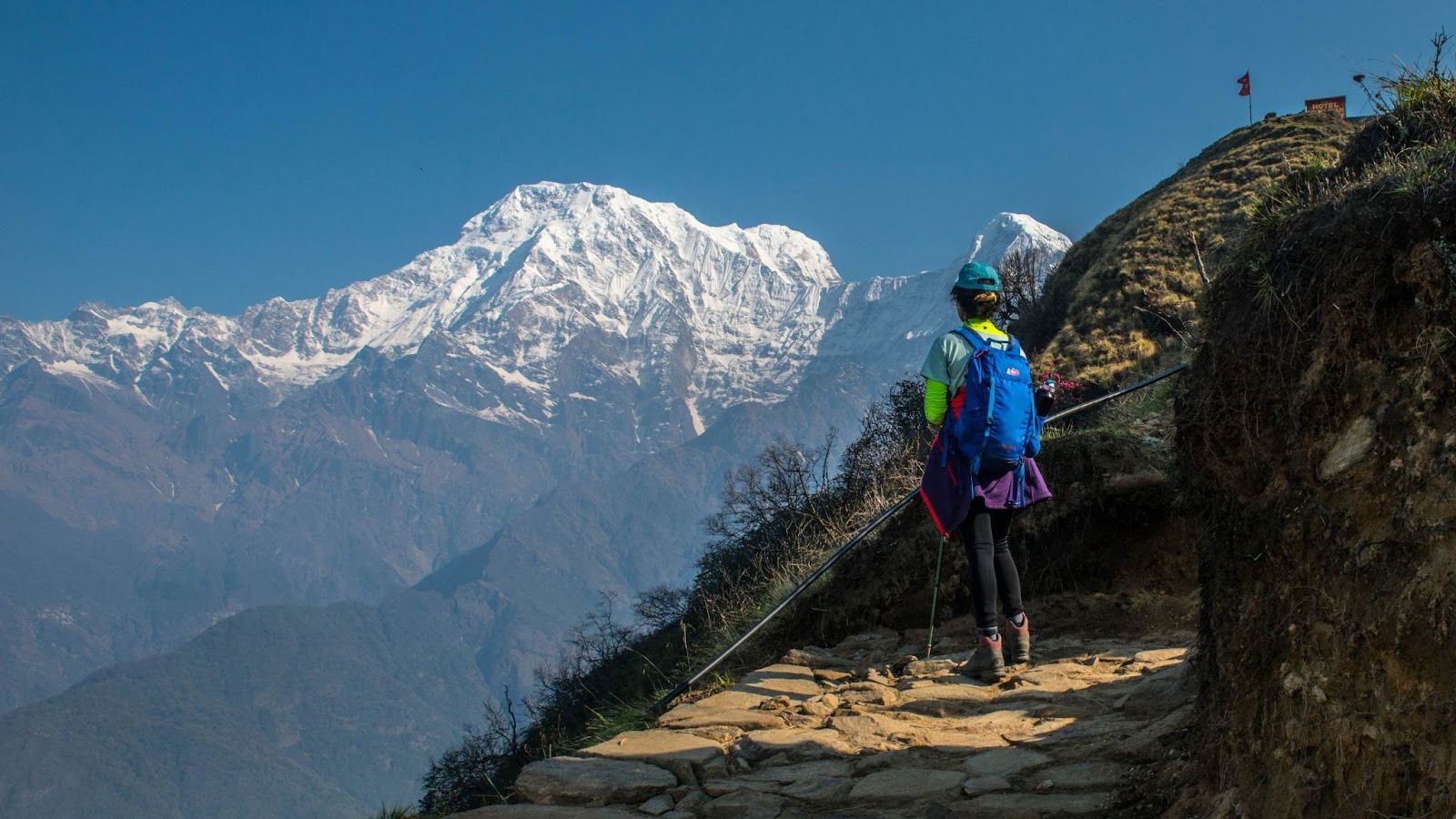
Choosing between these iconic treks often comes down to timing and personal preferences. The Circuit offers more weather flexibility due to route options, while ABC provides a more focused experience but requires good conditions for sanctuary access.
For those seeking the ultimate experience, we often recommend combining elements of both, similar to our Nepal multi-adventure trips. Spring favours both treks equally, while autumn slightly favours the Circuit due to more stable conditions for high pass crossings.
Luxury trekking requires optimal conditions for premium services. Spring and autumn ensure full lodge operations, reliable helicopter services, and comfortable trail conditions. We coordinate with the region's finest accommodations, securing reservations at properties like those featured in our Annapurna Panoramic Trail.
Winter luxury trekking remains viable with proper planning. Select premium lodges stay open, offering personalised service. We arrange heated dining areas, upgraded bedding, and ensure comfort despite the cold. Our expedition-style approach includes weather monitoring and flexible routing, making shoulder seasons accessible for discerning travellers seeking unique experiences.
January: Deep winter conditions. Clear views but extreme cold above 3,000m. Circuit's high passes are often blocked. ABC is possible with the proper gear.
February: Winter loosening. Still cold but stable weather returning. Lower crowds mean personalised lodge service.
March: Spring awakening. Rhododendrons bloom at lower elevations. The weather is stabilising for both treks.
April: Peak spring season. Ideal temperatures, full blooms, stable conditions. Book accommodations 4-6 months ahead (depending on group size).
May: Warmer with pre-monsoon clouds building. Early May is excellent, late May sees afternoon clouds.
June: Monsoon arrives. Rain shadow areas like Upper Mustang remain viable. Full waterproofing essential.
July-August: Peak monsoon. Best for rain shadow regions. Flight delays common.
September: Monsoon retreating. Trails clearing. Mountains emerging from clouds.
October: Peak autumn season. Ideal weather and visibility. Festival atmosphere but busy trails.
November: Many consider this one of the best months overall. Outstanding views, comfortable temperatures, and cultural festivals.
December: Winter is arriving. Lower elevations pleasant. High passes challenging. Unique festive season trekking.
Photographers: November and early December provide the clearest mountain views. Spring offers colourful rhododendron foregrounds.
First-time trekkers: April-May or October-November offer stable weather and full facilities. Our Himalayan preparation guide helps you prepare properly.
Luxury travellers: Spring and autumn ensure full service availability. We arrange premium winter experiences with proper support through our local partnerships.
Budget-conscious trekkers: Monsoon and winter offer significant savings with quieter trails. We help you prepare for weather challenges while maximising value.
After organising countless Annapurna adventures, we find that October-November and March-April offer optimal conditions for most trekkers. These months balance favourable weather, clear views, and cultural experiences. However, every season has unique advantages.
Your perfect timing depends on priorities, experience, and adventure appetite. With Juniper's expertise, we match you to the ideal season and handle all logistics. From spring blooms to winter solitude, we create extraordinary Annapurna experiences.
Ready to plan your trek? Contact our team to discuss your preferences. We'll handle permits, accommodations, and create an itinerary that maximises your chosen season's potential.
Yes, with proper planning. Lower sections remain accessible with stunning views, though Thorong La Pass often becomes challenging. We arrange modified winter itineraries exploring accessible areas while ensuring your safety and comfort through heated lodges and appropriate gear.
Absolutely. Rain shadow areas like Upper Mustang and parts of Manang receive minimal rainfall. We've perfected monsoon trekking with waterproof gear, flexible itineraries, and local knowledge of dry pockets. You'll enjoy lush landscapes and authentic village life without crowds.
Both work well for beginners. Spring offers warmer temperatures and blooming trails, while autumn provides clearer mountain views and more stable weather patterns. We tailor your trek difficulty and support level based on your fitness and chosen season.
For luxury trekking during peak seasons (April-May, October-November), book 4-6 months ahead depending on group size and specific requirements. This ensures premium lodge availability and allows proper preparation time. We handle all permits and logistics once you confirm.
Yes, we provide comprehensive gear lists and arrange high-quality rentals suited to your season. From winter sleeping bags to monsoon protection, we ensure proper equipment. Our pre-trek briefings cover everything you need for seasonal conditions.
Weather flexibility is built into every Juniper itinerary. We maintain alternative accommodation options, can arrange helicopter support when needed, and our guides excel at creating memorable experiences regardless of conditions. Your safety and enjoyment guide every decision we make.
.avif)

.avif)

